As a dental professional, there is truly nothing more heartwarming than seeing a baby’s first smile. It lights up a room and brings so much joy to parents. However, as Dr. Sepehr Nassiripour, I also see the concern in parents’ eyes when they notice something isn’t quite right with their little one’s developing teeth. One of the most common, yet entirely avoidable, issues I encounter in my practice is Early Childhood Caries, commonly known as baby bottle tooth decay.
I understand that parenting is a juggling act. Between late-night feedings, diaper changes, and trying to get enough sleep, oral hygiene for an infant might not always be the first thing on your mind. However, the health of those tiny primary teeth is crucial for your child’s future smile, speech development, and ability to eat comfortably. In this guide, I want to walk you through everything you need to know to prevent bottle tooth decay and treat it if it arises. My goal is to empower you with knowledge so we can keep that precious smile healthy and bright.
Understanding Early Childhood Caries
Before we dive into prevention, it is helpful to understand what we are dealing with. Baby bottle tooth decay most often occurs in the upper front teeth, but other teeth may also be affected. It happens when sweetened liquids or those with natural sugars—like milk, formula, and fruit juice—cling to an infant’s teeth for a long time.
Bacteria in the mouth thrive on this sugar and turn it into acid. This acid then attacks the tooth enamel. If this happens frequently, especially while the baby is sleeping, the enamel breaks down, leading to cavities. I always remind parents that baby teeth are much softer and have thinner enamel than permanent adult teeth, making them much more susceptible to acid attacks.
Data Point: The Prevalence of Decay
According to the Centers for Disease Control and Prevention (CDC), cavities are one of the most common chronic diseases of childhood in the United States. In fact, roughly 23% of children aged 2 to 5 years have had dental caries (cavities) in their primary teeth. This statistic highlights why early intervention and education are so vital for your family.
Recognizing the Signs
In my office, I often hear parents say they didn’t notice the decay until it looked like a dark spot. However, decay usually starts much more subtly. I encourage you to lift your child’s lip regularly to inspect their teeth. Here is what you should look for:
- Chalky White Spots: This is often the first sign of demineralization. It appears along the gum line of the upper front teeth. At this stage, the process is often reversible with fluoride treatment and better hygiene.
- Light Brown or Yellow Spots: As the decay progresses, the enamel begins to break down further, leading to discoloration.
- Dark Brown or Black Spots: This indicates a deeper cavity. At this stage, your child might experience sensitivity to sweets or cold temperatures.
- Swollen or Bleeding Gums: Sometimes, the infection can irritate the gum tissue surrounding the tooth.
If you notice any of these signs, please do not wait. Schedule an appointment immediately. The earlier we catch it, the easier the treatment will be.
The Nighttime Bottle: A Primary Culprit
The most common cause of this condition is putting a baby to bed with a bottle. I know that for many parents, a bottle of warm milk or formula is a magic wand for putting a fussy baby to sleep. However, during sleep, saliva flow decreases significantly. Saliva is nature’s way of washing away food particles and neutralizing acids.
When a baby sleeps with a bottle, the liquid pools around the front teeth. Because there is less saliva to wash it away, the sugars in the milk sit on the enamel for hours. This creates a perfect environment for bacteria to cause damage. This is why one of the most effective ways to prevent bottle tooth decay is to finish feeding before bedtime and wipe the baby’s gums or brush their teeth before they fall asleep.
Comprehensive Strategies to Prevent Bottle Tooth Decay
Prevention is always better than a cure. I believe that with a few adjustments to your daily routine, you can virtually eliminate the risk of this condition. Here is my recommended approach for maintaining optimal oral health from birth.
1. Establish an Oral Hygiene Routine Early
You do not need to wait for the first tooth to appear to start cleaning your baby’s mouth. In fact, getting them used to having their mouth cleaned early makes brushing easier later on.
- Before Teeth Erupt: Use a clean, damp washcloth or a piece of gauze to wipe your baby’s gums after every feeding. This removes plaque and bacteria.
- When the First Tooth Appears: Switch to a soft-bristled infant toothbrush. Use a smear of fluoride toothpaste (about the size of a grain of rice).
- Ages 3 and Up: You can increase the toothpaste amount to the size of a pea. Ensure your child spits out the toothpaste after brushing.
2. Smart Feeding Habits
What goes into the bottle is just as important as how the bottle is used. To protect your child’s teeth:
- Water is Best: If your child must have a bottle or sippy cup for comfort between meals or at naptime, fill it with water only.
- Limit Juice: The American Academy of Pediatrics recommends limiting juice intake. If you do give juice, offer it in a cup during mealtime rather than in a bottle throughout the day.
- Avoid Grazing: Letting a child walk around with a bottle or sippy cup all day ensures their teeth are constantly bathed in sugars. Try to stick to scheduled meal and snack times.
3. Weaning from the Bottle
I recommend aiming to wean your child from the bottle by their first birthday. Transitioning to a cup helps reduce the amount of time liquids sit in the mouth. Drinking from a cup requires different tongue movements and swallowing patterns that are less likely to cause pooling of liquid around the teeth.
4. Avoid Saliva Transfer
This is a point that often surprises parents. The bacteria that cause cavities (Mutans streptococci) are transmissible. You can pass these bacteria to your baby by sharing spoons, testing the temperature of food with your mouth, or cleaning a pacifier with your own saliva. By maintaining your own oral health and avoiding sharing utensils, you help prevent bottle tooth decay by reducing the bacterial load in your child’s mouth.
Data Point: The Importance of the First Dental Visit
The American Dental Association (ADA) and the American Academy of Children Dentistry (AAPD) both recommend that a child’s first dental visit should occur within six months of the first tooth appearing, or no later than their first birthday. Despite this, studies show that a significant percentage of parents wait until age 2 or 3. Early visits have been shown to reduce dental costs by nearly 40% over a five-year period by preventing problems before they start.
Treatment Options for Baby Bottle Tooth Decay
If your child does develop decay, I want to reassure you that we have many effective ways to treat it. My priority is always to save the primary teeth whenever possible, as they act as space holders for the permanent teeth. Losing a baby tooth too early can lead to crowding or alignment issues later in life.
Fluoride Treatments
If we catch the decay in the very early stages—specifically the “white spot” stage—we can often reverse it. I will apply a professional-grade fluoride varnish to the affected teeth. This helps to remineralize the enamel and stop the cavity from forming. We may also discuss silver diamine fluoride (SDF), a liquid that can stop decay from progressing without the need for drilling.
Dental Fillings
For small to moderate cavities, fillings are the standard treatment. I use composite resin (tooth-colored) materials that bond to the tooth structure. These are durable and look natural, so your child can smile with confidence. The process is gentle, and I take great care to ensure your child feels safe and comfortable throughout the procedure.
Children Crowns
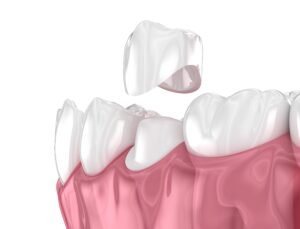
If the decay is extensive and has compromised a large portion of the tooth structure, a filling might not be enough to support the tooth. In these cases, we use stainless steel crowns or white zirconia crowns. These “caps” cover the entire tooth, preventing further damage and allowing the tooth to function normally until it falls out naturally.
Extractions
This is always a last resort. However, if the tooth is severely infected and an abscess has formed, removing the tooth might be necessary to prevent the infection from spreading to the permanent tooth bud or other parts of the body. If we must extract a primary molar, I will likely place a space maintainer. This is a small metal appliance that holds the space open so the adult tooth can erupt correctly in the future.
The Role of Fluoride in Prevention
I cannot stress enough how important fluoride is in our fight against tooth decay. Think of fluoride as a shield for your child’s teeth. It strengthens the enamel, making it more resistant to acid attacks.
Most community tap water contains fluoride, which is a fantastic and easy way to protect teeth. If your family drinks primarily bottled water or lives in an area without fluoridated water, please let me know. I may recommend fluoride supplements to ensure your child’s developing teeth get the protection they need. Additionally, using the correct amount of fluoride toothpaste, as mentioned earlier, is a cornerstone of a good hygiene routine.
Creating a Positive Dental Experience
Many adults have anxiety about the dentist, and naturally, they worry their children will feel the same. I want to change that narrative. Modern pediatric dentistry is all about creating a positive, fun, and safe environment.
You can help by talking about the dentist in a positive way. Avoid using words like “pain,” “shot,” or “drill.” Instead, tell your child that Dr. Nassiripour is going to count their teeth and clean them to make them sparkle. You can even “play dentist” at home, counting each other’s teeth or brushing a doll’s teeth. When you bring your child in for that crucial first visit by age one, it allows us to build a relationship based on trust before any treatment is potentially needed.
For more detailed information on children’s oral health milestones, I highly recommend reading this resource from the American Dental Association on Baby Bottle Tooth Decay. It serves as an excellent companion to the advice I give in my clinic.
Partnering for a Healthy Future
It is easy to feel guilty if your child develops a cavity, but I urge you to let go of that feeling. Tooth decay is a disease, and like any disease, it can be treated and managed. What matters most is what we do moving forward. By making small changes—swapping the bedtime bottle for a story, wiping gums after feedings, and visiting the dentist early—you are setting your child up for a lifetime of health.
I am here to support you on this journey. Whether it is demonstrating the best way to brush a wiggling toddler’s teeth or discussing diet options that are tooth-friendly, my door is always open. Together, we can ensure that your child’s smile remains as bright and happy as it is today.
Remember, those baby teeth are small, but they play a big role. Let’s protect them.