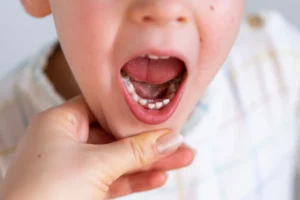
As a dental professional, I often see parents come into my practice with a look of slight embarrassment and genuine concern. They lean in and whisper, “Dr. Nassiripour, my child’s breath smells, and brushing doesn’t seem to help.” If this sounds familiar, I want you to know immediately that you are not alone. Bad breath, medically known as halitosis, is surprisingly common in children. While we often associate chronic bad breath with adults, halitosis in kids is a frequent issue that can stem from a variety of causes—most of which are easily treatable.
It is natural to worry when you notice a persistent odor coming from your child’s mouth. You might worry about their social interactions at school or fear that it indicates a serious underlying health problem. Fortunately, in the vast majority of cases, the root cause is local to the mouth and can be resolved with some detective work and adjustments to daily routines.
In this guide, I will walk you through everything you need to know about why bad breath happens and, more importantly, how we can fix it together. We will explore oral hygiene, dietary habits, and even some surprising physiological factors that might be the culprit. My goal is to empower you with the knowledge to turn that frown upside down and restore your child’s fresh, happy smile.
The Science Behind the Smell
Before we jump into the remedies, it is helpful to understand the biological mechanism behind bad breath. Our mouths are home to millions of bacteria. This sounds alarming, but it is a normal part of human biology. Most of these bacteria are harmless, but some specific types feed on leftover food particles and proteins found in the mouth.
When these bacteria digest proteins, they release waste products in the form of sulfur compounds. These Volatile Sulfur Compounds (VSCs) are responsible for the “rotten egg” smell associated with halitosis. In children, because their immune systems and oral microbiomes are still developing, the balance can sometimes tip in favor of these odor-producing bacteria.
It is also important to distinguish between “morning breath” and chronic halitosis. Morning breath happens to almost everyone. During sleep, saliva production slows down, allowing bacteria to multiply and cause an odor upon waking. This usually disappears after breakfast and a good tooth brushing. However, if the smell persists throughout the day, we need to look deeper.
Common Dental Causes of Halitosis in Kids
In my experience, about 85% of bad breath cases originate directly inside the mouth. When evaluating a young patient, I always check these primary suspects first.
1. Poor Oral Hygiene
This is the most obvious cause, but it is also the most common. Children, especially younger ones, do not have the manual dexterity to brush and floss effectively. If plaque isn’t removed efficiently, it irritates the gums and traps food particles.
Data Point: According to recent dental health studies, nearly 42% of children aged 2 to 11 have had dental caries (cavities) in their primary teeth. These cavities are essentially holes where food gets trapped and rots, creating a perfect breeding ground for smelly bacteria.
2. The Tongue Factor
Many parents focus strictly on the teeth, but the tongue is a major contributor to bad breath. The surface of the tongue is covered in tiny bumps called papillae. Bacteria, dead skin cells, and food debris can get trapped between these bumps. If the tongue isn’t brushed or scraped gently, a white coating can form, which is a significant source of odor.
3. Dry Mouth (Xerostomia)
Saliva is nature’s mouthwash. It neutralizes acids and washes away dead cells and bacteria. If your child has a dry mouth, the cleaning action of saliva is reduced. This can be caused by dehydration, certain medications, or even the habit of breathing through the mouth rather than the nose.
4. Loose Teeth and Gum Issues
When a child starts losing baby teeth, the area around the loose tooth can become tender. Kids often avoid brushing that spot because it hurts. This allows plaque to accumulate heavily around the loose tooth, leading to localized gum inflammation and a distinct metallic or foul smell.
ENT Issues: When the Nose and Throat are to Blame
Sometimes, I examine a child’s teeth and gums and find them to be pristine. When the oral hygiene is excellent but the smell persists, I look toward the Ear, Nose, and Throat (ENT) system.
Mouth Breathing and Enlarged Tonsils
If your child sleeps with their mouth open, perhaps due to allergies or enlarged adenoids, their saliva evaporates rapidly. This leads to the dry mouth condition I mentioned earlier. furthermore, children with large tonsils or deep pits in their tonsils may develop tonsilloliths, or “tonsil stones.” These are small, calcified clusters of food debris and bacteria that get stuck in the tonsil crypts and smell quite terrible.
Sinus Infections and Allergies
Chronic sinus issues are a major player in halitosis in kids. When a child has a sinus infection or severe allergies, they experience post-nasal drip. This is when mucus drips down the back of the throat and lands on the back of the tongue. Bacteria feast on this mucus, creating a distinct odor. If your child has a runny nose, a cough, and bad breath, the sinuses are likely the culprit.
The “Foreign Object” Scenario
This happens more often than you might think, particularly with toddlers. A small child might push a pea, a small toy part, or a bead up their nose. If it gets stuck and goes unnoticed, it can cause an infection in the nasal passage. The resulting discharge has a very strong, foul odor that can be mistaken for bad breath from the mouth. If the breath smells particularly bad and comes from only one nostril, this requires immediate medical attention.
Dietary Habits and Digestion
What your child eats plays a direct role in how their breath smells. We all know that foods like garlic and onions cause temporary bad breath. This happens because as these foods are digested, odorous molecules enter the bloodstream, travel to the lungs, and are breathed out.
However, high-sugar diets are more concerning. Sugar is the preferred fuel source for oral bacteria. A diet high in sugary snacks, juices, and gummy vitamins keeps the bacteria in the mouth hyper-active, producing more acid and more sulfur compounds.
Actionable Cures and Home Remedies
Now that we have identified the causes, let’s talk about solutions. As a parent, you have a lot of control over helping your child overcome this. Here is the protocol I recommend to the families in my practice.
Mastering the Brushing Routine
Brushing should happen twice a day for two full minutes. Most children rush through the process. I recommend using a timer or a fun brushing app to ensure they stick to the full two minutes.
- Supervise until age 8: Most children do not have the coordination to brush effectively until they can tie their own shoes. You should be doing a follow-up brush after they try it themselves.
- Don’t forget the floss: Flossing removes the rotting food particles from between the teeth that a brush cannot reach. This should be done once a day, preferably at night.
- Scrub the tongue: Encourage your child to gently brush their tongue from back to front. This alone can reduce bad breath significantly.
Hydration is Key
Encourage your child to drink plenty of water throughout the day. Water helps stimulate saliva production and flushes away food particles. Limit sugary drinks and sodas, as these contribute to decay and dehydration.
Breakfast is Mandatory
Eating a healthy breakfast helps get the saliva flowing after a long night of sleep. Chewing crunchy fruits and vegetables (like apples, carrots, or celery) can also act as a natural toothbrush, physically wiping away plaque and increasing saliva flow.
Change the Toothbrush Regularly
Bacteria can survive on a toothbrush. I recommend changing your child’s toothbrush every 3 to 4 months, or sooner if the bristles look frayed. It is also a good idea to replace the toothbrush after your child has recovered from an illness like the flu or strep throat.
When to See a Professional
While most cases of bad breath are resolved with better hygiene, there are times when you need professional help. You should book an appointment if:
- The bad breath continues despite weeks of improved brushing and flossing.
- You notice red, swollen, or bleeding gums.
- Your child has a toothache or sensitivity.
- There is a fever or other signs of illness accompanying the smell.
For more detailed information on children’s oral health and developmental milestones, I highly recommend reading resources from the American Academy of Pediatrics at HealthyChildren.org. They offer excellent, peer-reviewed guidance for parents.
Addressing the Social Aspect
Dealing with halitosis in kids is not just a medical issue; it is an emotional one. If a child becomes aware of their bad breath, or if a peer points it out, it can damage their self-esteem. When you address this with your child, keep the tone positive and educational rather than critical.
Instead of saying, “Your breath smells bad,” try saying, “Let’s make sure we scrub all those sugar bugs away so your smile stays bright and fresh.” By framing oral hygiene as a self-care activity rather than a chore or a punishment, you build positive habits that last a lifetime.
Dispelling Myths
There is a lot of misinformation out there. I often hear parents ask if mouthwash is the cure. While mouthwash can temporarily mask odors, it is not a cure-all. In fact, alcohol-based mouthwashes can dry out the mouth, making the problem worse in the long run. For children, if you use a mouthwash, ensure it is alcohol-free and formulated specifically for kids.
Another myth is that bad breath always comes from the stomach. While gastrointestinal issues like reflux (GERD) can cause bad breath, it is actually quite rare compared to oral or nasal causes. We always rule out the teeth, gums, and tonsils before looking at the stomach.
Data Point: Research indicates that only about 5-10% of halitosis cases are caused by systemic diseases or gastrointestinal problems, reinforcing the importance of focusing on oral health first.
Final Thoughts for Parents
Seeing your child struggle with bad breath can be worrying, but I want to reassure you that it is a very manageable condition. It is rarely a sign of something dangerous. Usually, it is simply a signal that the oral hygiene routine needs a little tweaking or that a trip to the dentist is due.
By focusing on consistent brushing, flossing, tongue cleaning, and hydration, you can eliminate the odor and protect your child’s teeth in the process. Remember, I am here to help. If you try these remedies and the issue persists, we can investigate further to find the solution. A fresh, healthy smile is just a few good habits away.