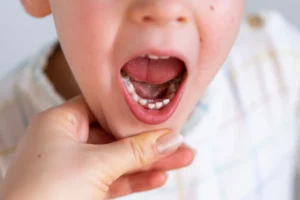
As a dental professional, I hear it from concerned parents all the time. You lean in to give your child a goodnight hug or a morning kiss, and suddenly, you catch a whiff of something unpleasant. It isn’t just “morning breath”—it is a persistent odor that seems to hang around despite your best efforts. If this sounds familiar, take a deep breath (away from your child’s mouth!) and relax. You are not alone, and in most cases, the solution is much simpler than you think.
I am Dr. Sepehr Nassiripour, and today I want to guide you through the foggy world of bad breath in kids. In the medical world, we call this halitosis. While it can be embarrassing for older children and worrying for parents, it is rarely a sign of a serious medical condition. Usually, it is a sign that we need to tweak a few daily habits. Let’s dive into what causes this issue and, more importantly, how we can fix it together.
Understanding Halitosis: More Than Just smelly Breath
Before we jump into the fixes, it helps to understand what is actually happening inside your child’s mouth. Bad breath is typically caused by volatile sulfur compounds. These are smelly gases released by bacteria that live in the mouth. When these bacteria break down proteins from food particles, mucus, or dead skin cells, they release sulfur—which smells like rotten eggs.
Everyone has these bacteria; they are a normal part of the oral microbiome. However, when the balance tips and these bacteria are allowed to overgrow, the smell becomes noticeable. For children, who might not be the most thorough brushers, this bacterial bloom is the most common culprit.
The Primary Causes of Bad Breath in Children
When a parent brings a child to me asking about halitosis children treatment, I usually start by investigating a few usual suspects. It is rarely just one thing, but rather a combination of factors that create the perfect storm for odor.
1. Poor Oral Hygiene and Plaque Buildup
This is the most obvious cause, but it is also the most common. If your child isn’t brushing for a full two minutes or is skipping flossing, food particles stay trapped between teeth and along the gumline. This creates plaque, a sticky film of bacteria. The bacteria in plaque feast on leftover food and produce those smelly sulfur compounds I mentioned earlier.
Data Point: According to the Centers for Disease Control and Prevention (CDC), nearly 1 in 5 children aged 5 to 11 years have at least one untreated decayed tooth. This decay creates small crevices where bacteria can hide and thrive, contributing significantly to bad breath.
2. The Overlooked Culprit: The Tongue
Many children (and adults!) brush their teeth beautifully but completely ignore their tongue. The tongue is like a shag carpet; it has tiny hair-like projections called papillae. Bacteria, food debris, and postnasal drip can get trapped in these papillae. If you look at your child’s tongue and see a white or yellowish coating toward the back, that is a prime source of bad breath.
3. Dry Mouth (Xerostomia)
Saliva is the mouth’s natural detergent. It washes away food particles and neutralizes acids produced by plaque. If your child has a dry mouth, those bacteria stick around longer. Dry mouth in kids is often caused by:
- Mouth Breathing: This is very common in children with stuffy noses or enlarged tonsils. Sleeping with the mouth open dries out the oral tissues rapidly.
- Dehydration: Active kids often forget to drink enough water.
- Medications: Certain allergy or ADHD medications can reduce saliva production.
4. ENT Issues: Tonsils and Sinuses
Sometimes the smell isn’t coming from the teeth at all. If your child has chronic sinus infections, the mucus dripping down the back of the throat (postnasal drip) provides a feast for bacteria on the back of the tongue. Additionally, children with large tonsils with deep pits can develop tonsil stones (tonsilloliths). These are small, calcified clusters of food and bacteria that get stuck in the tonsils and smell quite terrible.
5. Diet and Nutrition
We all know that garlic and onions cause bad breath. This happens because as these foods are digested, odorous molecules enter the bloodstream and are eventually breathed out through the lungs. However, high-sugar diets are also to blame. Sugar is the favorite fuel source for oral bacteria. The more sugar your child consumes, the more active the bacteria become.
Immediate Quick Fixes You Can Try at Home
Now that we know the “why,” let’s talk about the “how.” You want solutions that work quickly. Here are some actionable steps you can take immediately to freshen up your child’s breath.
The Hydration Reset
The quickest way to combat bad breath caused by dry mouth is water. Encourage your child to drink a glass of water immediately upon waking up and consistently throughout the day. Water helps stimulate saliva production and physically rinses away bacteria.
Data Point: Studies suggest that mild dehydration is prevalent in children, with some research indicating that over 50% of children are not adequately hydrated during the school day. Simply increasing water intake can have a massive impact on oral health and breath freshness.
Master the Morning Routine
Morning breath is normal because saliva production slows down while we sleep. However, to stop it from lingering, breakfast is key. Eating breakfast stimulates saliva flow. A crunchy fruit or vegetable (like an apple or celery) can also act as a natural toothbrush, scrubbing the teeth and gums while they eat.
Introduce the Tongue Scraper
If your child is only brushing their teeth, they are missing half the problem. I recommend buying a small, kid-friendly tongue scraper. It is often more effective than a toothbrush for the tongue because it physically lifts the coating off rather than just moving it around. Make it a game: see who can get the most “gunk” off their tongue in the morning.
Change the Toothbrush
Old toothbrushes harbor bacteria. If your child’s toothbrush bristles are frayed or if they have recently been sick, toss it. A fresh toothbrush ensures you are actually cleaning the mouth rather than reintroducing germs. Aim to replace it every three months.
Deep Cleaning: Improving the Hygiene Routine
Quick fixes are great for immediate results, but for long-term success, we need to look at the daily routine. As a dentist, I cannot stress this enough: supervision is key. Children often lack the manual dexterity to brush effectively until they are about 7 or 8 years old.
The Two-Minute Rule
Most kids brush for about 30 seconds. That is not enough time to remove plaque. Use a timer, a sandglass, or a fun toothbrushing app to ensure they are brushing for a full two minutes, twice a day. Make sure they are angling the brush at 45 degrees toward the gums, as that is where the bacteria like to hide.
Don’t Forget to Floss
I know flossing can be a battle, but it is non-negotiable. Foul odors often originate from rotting food particles wedged between teeth where a brush cannot reach. Floss picks are a great alternative for kids who struggle with traditional string floss. They come in bright colors and shapes, making the process a little less tedious.
Mouthwash: Use with Caution
Many parents rush to buy strong, minty mouthwash. While this masks the odor, it doesn’t solve the problem. Furthermore, mouthwashes with alcohol can dry out the mouth, making the problem worse in the long run. Look for a fluoride rinse designed for children that is alcohol-free. It can help kill bacteria without the drying effects.
When to Seek Professional Halitosis Children Treatment
If you have improved hygiene, pushed hydration, and scraped the tongue, but the bad breath persists, it is time to give me or your local pediatric dentist a call. Professional halitosis children treatment isn’t a scary procedure; it is an investigation.
When you visit the clinic, here is what we look for:
- Hidden Decay: Cavities between teeth are hard to spot at home but show up clearly on X-rays.
- Gum Disease: Yes, kids can get gingivitis too. Red, puffy gums are a sign of infection causing odor.
- Loose Crowns or Fillings: Bacteria can get trapped under old dental work.
- Abscesses: Sometimes a serious infection at the root of a tooth presents as bad breath before it presents as pain.
If the dental exam comes back clean, I often refer parents to a pediatrician or an ENT specialist. Persistent bad breath can sometimes signal underlying issues like enlarged adenoids, chronic sinusitis, or even gastrointestinal reflux (GERD), though the latter is less common.
For more detailed information on when bad breath might signal a health condition, you can read this helpful article from the American Academy of Pediatrics at HealthyChildren.org. It is a fantastic resource for parents looking to dig deeper into general health connections.
The Psychological Aspect: Keeping it Positive
I want to touch on how we talk to our kids about this. It is vital to approach bad breath with kindness. If a child feels ashamed of their breath, they may develop anxiety regarding social interactions or become defensive about brushing.
Instead of saying, “Your breath smells bad, go brush,” try a more positive approach. You might say, “Let’s go scrub the sugar bugs away so our smiles stay bright!” or “I think we missed a spot this morning, let’s double-check.” Making oral hygiene a family activity rather than a chore or a punishment helps build positive associations. When children understand that brushing is about taking care of their bodies rather than fixing a “smell,” they are more likely to participate willingly.
Prevention is the Best Cure
Ultimately, the goal is to stop halitosis before it starts. This involves a holistic approach to your child’s health.
Dietary Adjustments
Reducing sugary snacks and sticky candies is one of the best things you can do for your child’s breath and overall health. Instead, encourage crisp fruits and vegetables. Cheese and yogurt are also excellent snacks; they are low in sugar and high in calcium, and cheese specifically can help neutralize acids in the mouth.
Regular Dental Visits
Professional cleanings every six months are essential. Even the best brushers miss spots. In my office, we have special tools to remove hardened tartar that a toothbrush simply cannot budge. Regular visits also allow us to catch potential issues early, before they become smelly, painful problems.
Final Thoughts on Fresh Breath
Bad breath in kids is common, treatable, and usually temporary. It is rarely a reflection of your parenting or a sign of a scary disease. It is usually just a signal from your child’s body that the oral bacteria are having a party and need to be evicted.
By focusing on better hydration, refining brushing and flossing techniques, and keeping an eye on their diet, you can banish the bad breath and get back to enjoying those morning hugs. Remember, if you are ever in doubt, your dentist is your partner in this journey. We are here to help your child achieve a healthy, happy, and fresh-smelling smile for life.