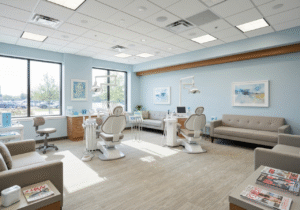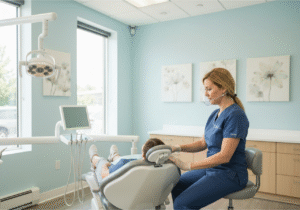
Living and practicing here in Beverly Hills, I have noticed that parents want nothing but the absolute best for their kids. Whether it is the best education, the best extracurricular activities, or the best healthcare, the standard is set incredibly high. This is especially true when it comes to their smiles. A smile is often the first thing people notice, and in a city that values aesthetics and confidence as much as we do, ensuring your child has a straight, healthy smile is a top priority.
One of the most common conversations I have with parents in my consultation room revolves around the “great debate” of modern orthodontics: Traditional Metal Braces vs. Invisalign. Years ago, this wasn’t much of a debate. You simply got metal braces, picked your rubber band colors, and endured the “metal mouth” phase. Today, however, technology has evolved. When looking at the various orthodontic options children have available to them, the choice isn’t always black and white.
As Dr. Sepehr Nassiripour, I want to guide you through this decision-making process. I will break down the pros, cons, and specific considerations for our lifestyle here in Beverly Hills so you can feel confident in the treatment path we choose for your child.
The Beverly Hills Lifestyle Factor
Before we dive into the mechanics of tooth movement, I always like to look at the patient as a whole person. In Beverly Hills, our children are often busier than adults. Between soccer practice, piano lessons, auditions, and social events, their calendars are packed. When choosing an orthodontic tool, we have to ask: How will this fit into their life?
We also have to consider the “camera-ready” culture. Even for kids who aren’t child actors or models, social media plays a huge role in their social lives. The psychological impact of orthodontic treatment is something I take very seriously. We want to improve their smile without crushing their confidence during the process.
Option 1: The Modern Traditional Braces
When you think of braces, you might picture heavy metal brackets and thick wires. I am happy to report that traditional braces have come a long way. Modern braces are smaller, sleeker, and more comfortable than the ones many parents remember from their own childhoods.
How They Work
Traditional braces use high-grade stainless steel brackets that I bond directly to the front of each tooth. A flexible metal archwire connects these brackets. By tightening the wire periodically, I apply steady pressure to the teeth, which gradually moves them into the desired position.
The Benefits of Fixed Appliances
The biggest advantage of braces is that they are “fixed.” Once I put them on, they stay on until treatment is finished. For parents who are worried about their child losing things, this is a massive relief. There is no “I left my aligners on the lunch tray” drama.
Braces are also incredibly powerful. For complex issues—like severe overcrowding, impacted teeth, or significant bite misalignment—braces often provide the precise control I need to rotate and move teeth effectively. They work 24 hours a day, 7 days a week, without the child having to do anything other than show up for appointments.
The Challenges
The downsides are mostly related to maintenance and comfort. Brackets can rub against the inside of the cheeks, causing irritation, though orthodontic wax helps with this. The biggest hurdle, however, is hygiene and diet.
Kids with braces have a laundry list of forbidden foods: popcorn, sticky candy, hard nuts, and whole apples. Cleaning around the brackets requires diligence. If your child isn’t a great brusher, plaque can build up around the brackets, leading to white spots on the teeth when the braces eventually come off.
Option 2: Invisalign and Clear Aligners
Invisalign has revolutionized the way we look at orthodontic options children can use. It utilizes a series of clear, removable plastic trays (aligners) that fit snugly over the teeth. I use 3D imaging technology to map out the child’s entire treatment plan before we even start.
The “Invisible” Advantage
The most obvious benefit is aesthetics. The aligners are virtually invisible. For teenagers in Beverly Hills who are self-conscious or active in the performing arts, this is a game-changer. They can smile in photos without hesitation.
Hygiene and Diet Freedom
Because the aligners are removable, there are no dietary restrictions. Your child can take them out to eat popcorn at the movies or bite into a crisp apple. More importantly, brushing and flossing are normal. They simply remove the trays, brush their teeth, floss, and pop the trays back in. This generally leads to better gum health during treatment compared to braces.
The Compliance Challenge
However, the “removable” aspect is a double-edged sword. Invisalign only works if the aligners are in the mouth. I tell my patients they need to wear them for 20 to 22 hours a day. If a child takes them out for lunch and forgets to put them back in until bedtime, the teeth won’t move.
To help parents monitor this, Invisalign Teen aligners actually come with small blue indicators that fade as the aligners are worn. If your child comes in for a checkup and the blue dot is still bright blue, I know they haven’t been wearing them enough!
Comparing the Experience: Comfort and Pain
Parents often ask me, “Which one hurts less?”
With traditional braces, there is usually some soreness after the initial bonding and after every adjustment appointment. The wires exert a strong force that can make teeth feel tender for a few days. The brackets can also cause soft tissue irritation until the mouth toughens up.
Invisalign tends to be more comfortable in terms of soft tissue. The plastic is smooth, so there are no sharp metal hooks to poke the cheek. However, that doesn’t mean it is pain-free. When a child switches to a new set of aligners (usually every week or two), they will feel pressure. This pressure is a good sign—it means the treatment is working. Generally, the discomfort with aligners is described as less intense than the tightening of braces.
Efficiency and Treatment Time
There is a misconception that braces are always faster. That isn’t necessarily true anymore. With the advancements in aligner technology, such as “SmartForce” attachments (tiny, tooth-colored bumps I place on the teeth to help the aligners grip), Invisalign can be just as fast as braces for many cases.
Data Point 1: According to recent clinical observations, treatment times for Invisalign can be up to 50% faster with weekly aligner changes compared to older protocols, depending on patient compliance. This efficiency is vital for families with tight schedules.
However, if a case is extremely complex, traditional braces might still be the more efficient route. During our consultation, I look at the specific movements required. If we need to pull a tooth down that is high in the gum line, braces are often the superior tool for that specific job.
The Hygiene Factor: A Closer Look
I cannot stress enough how important oral hygiene is during orthodontic treatment. If we straighten the teeth but end up with cavities or gum disease, we haven’t truly succeeded.
With braces, I have to teach kids how to thread floss under the wire. It is time-consuming. I often recommend water flossers to make it easier, but it still requires a level of discipline that not every 10-year-old possesses.
Invisalign removes this barrier. Data Point 2: Studies regarding periodontal health in teenagers suggest that patients treated with clear aligners demonstrate significantly lower plaque levels and less gingival inflammation compared to those with fixed appliances. For parents worried about their child’s brushing habits, this is a strong argument for aligners.
Sports and Activities in Beverly Hills
Many of my young patients are athletes. They play soccer, basketball, football, or lacrosse.
With metal braces, getting hit in the face with a ball can be very painful. The lip gets pressed against the metal brackets, often resulting in cuts and bleeding. If your child chooses braces, a specialized orthodontic mouthguard is mandatory for contact sports.
Invisalign offers a distinct advantage here. If a child gets hit in the mouth while wearing aligners, the plastic acts as a slight buffer. There are no sharp edges to cut the lip. Furthermore, for students who play wind instruments like the trumpet or flute, braces can make playing difficult. Aligners can be removed for performances, ensuring the music sounds just as sweet as before.
Cost Considerations in 90210
I know that cost is a factor for every family. Historically, Invisalign was significantly more expensive than braces. Today, the gap has narrowed. In many luxury markets like Beverly Hills, the cost difference might be negligible depending on the complexity of the case.
When you look at orthodontic options children might need, it is important to check insurance coverage. Many dental insurance plans that cover orthodontics will cover a portion of the treatment regardless of whether you choose braces or Invisalign. My office team always works hard to maximize these benefits for you.
The Role of Technology in My Practice
Regardless of which option we choose, my approach relies heavily on technology. Gone are the days of biting into a tray filled with cold, gooey putty to get an impression of the teeth. That was an uncomfortable experience that made many kids gag.
I use an iTero digital scanner. It is a wand that takes thousands of pictures of the teeth in seconds to create a perfect 3D model. This isn’t just cool tech; it is practical. If we choose Invisalign, I can show you and your child a “simulation” of what their finished smile will look like before we even order the first tray. Seeing that end result on the screen is a huge motivator for kids.
Making the Right Choice for Your Child
So, which is the winner? The truth is, there is no single “best” option. The best option is the one that fits your child’s specific dental needs and their personality.
I generally recommend Traditional Braces if:
- The child is forgetful or has a history of losing things.
- The dental issues are complex (severe rotation, vertical movements).
- Parents want total control over the treatment progress without relying on the child’s compliance.
I generally recommend Invisalign if:
- The child is self-conscious about their appearance.
- The child is disciplined and responsible.
- Hygiene is a concern, and you want to minimize plaque buildup.
- The child plays contact sports or wind instruments.
Ultimately, this is a partnership. When you come into my office, I will sit down with you and your child. We will look at the X-rays, discuss their hobbies, and talk honestly about their habits. I treat every child as if they were my own family member.
For more detailed information on when to start looking into these treatments, I recommend reading this article from the American Association of Orthodontists regarding the best age for orthodontic visits.
If you are in the Beverly Hills area and are ready to explore the orthodontic options children in our community are raving about, I invite you to schedule a consultation with me. Together, we will choose the path that leads to a lifetime of confident, radiant smiles.