Hello, parents! I am Dr. Sepehr Nassiripour. If the mere mention of a dental appointment makes your child hide behind the sofa or tear up, please know that you are not alone. As a dental professional, I see this reaction quite often. The dental office can seem like a strange place filled with unfamiliar sounds, bright lights, and new faces. However, my team and I have made it our mission to change that narrative completely.
We believe that going to the dentist should not just be “tolerable”—it should be a positive, confidence-building, and even fun experience. When we address fears early on, we set the foundation for a lifetime of healthy smiles. In this guide, I want to walk you through exactly how we approach dental anxiety in children and turn nervous frowns into proud, happy grins.
Understanding Why Kids Get Scared
Before we can fix the problem, we have to understand where it comes from. For many adults, dental anxiety stems from a bad experience in the past. For children, however, the fear is often fear of the unknown. They simply do not know what to expect. This uncertainty can trigger their imagination, and unfortunately, their imagination often conjures up scary scenarios.
Other factors contribute as well. The sensory experience of a dental office can be overwhelming for a little one. The sound of suction, the feeling of cold water, or having someone’s hands in their mouth can feel like an invasion of personal space. It is also common for children to pick up on their parents’ anxiety. If you are nervous, they can sense it.
According to research data, dental anxiety is a widespread issue. Studies indicate that approximately 10% to 20% of children and adolescents struggle with significant dental fear or anxiety. This is a significant number, which tells us that our approach to pediatric care needs to be different from how we treat adults. We cannot just expect a child to “sit still and open wide.” We have to earn their trust first.
Our Philosophy: The “Fun” First Approach
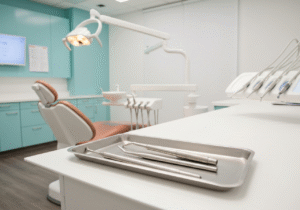
In my practice, we view every appointment through the eyes of a child. When a young patient walks through our doors, we don’t want them to see a medical clinic; we want them to see a place where they are safe and welcomed. This starts with our environment.
We use bright colors, friendly language, and a warm atmosphere to immediately lower defenses. But the real magic happens in the dental chair. We utilize specific techniques designed to empower the child. We want them to feel like they are the captain of the ship, not just a passenger. By giving them a sense of control, we can eliminate a massive amount of fear.
The “Tell-Show-Do” Technique
One of the most effective methods we use is called “Tell-Show-Do.” It is the gold standard in pediatric dentistry for a reason—it works. Here is how I apply it in my office:
- Tell: First, I explain exactly what I am going to do using age-appropriate language. I never use scary words. Instead of “needle” or “drill,” we might talk about “sleepy juice” or “Mr. Whistle.”
- Show: Next, I demonstrate the procedure. I might show the child the spinning polisher on their fingernail so they can see that it tickles and doesn’t hurt. I let them touch the tools or hold the mirror. This demystifies the equipment.
- Do: Only after the child understands and feels comfortable do we proceed with the actual treatment.
This method removes the element of surprise. When a child knows what is coming, the anxiety drops significantly.
Effective Child Dental Anxiety Treatment Options
Sometimes, a warm personality and a cool toy aren’t quite enough for high anxiety, and that is perfectly okay. Every child is different. When we need a little extra help to make the visit successful, we have several options for child dental anxiety treatment that are safe and effective.
Environment Modification and Distraction
The simplest form of treatment is changing the sensory input. We utilize distraction techniques heavily. This might involve playing their favorite cartoon on a ceiling-mounted TV or having them listen to music. When the brain is focused on a funny movie character, it is less focused on what is happening inside the mouth.
We also encourage parents to be part of this safe bubble. Your presence in the room (holding a hand or rubbing a shin) can be the best sedative of all. However, we also coach parents on how to be “silent cheerleaders” so the child can focus on my voice and instructions.
Nitrous Oxide (Laughing Gas)
For children who are more nervous or have a strong gag reflex, we often suggest nitrous oxide. We usually call this “happy air” or “silly nose.” It is a very safe gas that the child breathes in through a small nose mask. It doesn’t put them to sleep; it simply makes them feel floaty, relaxed, and happy.
The best part about nitrous oxide is that it wears off almost immediately after the mask is removed. It allows us to get the work done while the child remains in a positive state of mind. It turns a potentially traumatic event into a breeze.
For more in-depth information on how anxiety impacts health and medical visits, you can read this article from the Cleveland Clinic regarding dental anxiety. It offers great insight into why these fears develop.
The Power of Positive Reinforcement
I cannot stress enough how important praise is. During the appointment, my team and I are constantly cheering your child on. “You are doing amazing!” “Wow, look how wide you can open!” “You are sitting like a statue!”
This is not just flattery; it is psychology. Data shows that positive reinforcement interventions can significantly reduce disruptive behavior in pediatric dental patients, increasing cooperation by over 40% in subsequent visits. When a child associates the dentist with praise and accomplishment rather than pain and scolding, they actually look forward to coming back.
And, of course, there are the prizes. The “treasure chest” at the end of a visit is a powerful motivator. It signifies the finish line. It is a tangible reward for their bravery. Leaving with a new sticker or toy creates a “peak-end rule” effect, where the child remembers the happy ending more than the boring middle part of the appointment.
How Parents Can Help at Home
While my team works hard in the office, child dental anxiety treatment actually begins at home. You are the most influential person in your child’s life, and your attitude toward dentistry shapes theirs. Here are a few tips on how you can prepare your child for a fun visit:
Watch Your Language
Please avoid using the dentist as a threat. Never say things like, “If you don’t brush, the dentist will have to pull your teeth.” This paints me as the villain. Instead, tell them I am a friend who helps keep their teeth strong so they can eat all their favorite foods.
Also, try to avoid sharing your own horror stories. If you hate root canals, save that conversation for your adult friends. To your child, the dentist should be as routine and safe as the grocery store.
Play Dentist
Role-playing is a fantastic way to desensitize children. Grab a toothbrush and a flashlight and have your child sit in a recliner. Count their teeth. Then, let them swap roles and count your teeth or a stuffed animal’s teeth. This makes the concept of someone looking in their mouth feel normal and playful.
Read Happy Books
There are countless children’s books featuring favorite characters going to the dentist. Whether it is Peppa Pig or Daniel Tiger, seeing a beloved character have a good experience validates that it is safe for them, too.
Sedation: When Is It Necessary?
I want to be transparent about deeper sedation because I know it is a topic that worries parents. In some cases, if a child has extreme phobia, special needs, or requires extensive work, we might discuss oral conscious sedation or general anesthesia.
This is never our first resort, but it is a compassionate tool. If a child is terrified and requires a lot of treatment, trying to “power through” while they are crying and struggling can cause psychological trauma and physical danger. In these instances, letting them sleep through the procedure is actually the kindest, safest form of child dental anxiety treatment.
We always discuss these options extensively with you. My goal is to ensure that your child’s physical health is treated without sacrificing their emotional well-being.
Building a Relationship of Trust
The most important tool I have is time. We don’t rush. If a child comes in and is too scared to even sit in the chair, we might not do any work that day. We might just ride the chair up and down, count their fingers, and let them pick a prize. We call this a “happy visit.”
By respecting their boundaries, we show them that they are safe. Usually, on the second visit, that same child will hop right into the chair because they know I am not going to force them to do something they are terrified of.
We also focus heavily on education. When a child understands that “sugar bugs” (cavities) make holes in teeth and that we are just washing the bugs away, the procedure makes sense to them. Logic is a great way to combat fear.
Why Early Visits Matter
The American Academy of Children Dentistry recommends that a child sees a dentist by their first birthday. I strongly agree with this. You might think, “But they barely have teeth!” Exactly. These early visits are rarely about fixing problems.
These visits are about desensitization. If a child grows up coming to see me every six months just to have their teeth counted and tickled with a brush, they develop a relationship with the environment. By the time they are five or six and might actually need a filling, they already trust me. The dental home becomes a familiar place, not a scary destination for emergencies.
My Promise to You
As a dentist, I measure my success not just by the quality of my fillings, but by the smile on a child’s face as they leave my office. I want your child to be proud of themselves. I want them to high-five me on the way out.
Dental anxiety is real, but it is treatable. Through patience, fun, gentle techniques, and a partnership with you, we can help your child overcome their fears. We are not just treating teeth; we are treating little people. We are building the confidence they need to take care of their health for the rest of their lives.
If your child is anxious, please let us know when you book your appointment. We will set aside extra time, prepare our team, and ensure we have all the tools ready to make their visit a success. Let’s turn that fear into fun, one visit at a time.