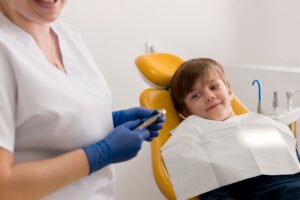
As a dedicated dental professional serving the Beverly Hills community, I have seen just about every type of smile situation imaginable. But nothing raises a parent’s heart rate quite like a sudden injury to their child’s teeth. One minute they are playing peacefully in the backyard, and the next, there are tears, panic, and perhaps a missing tooth. I understand that seeing your little one in pain or distress is overwhelming. That is why having a plan before disaster strikes is the most important tool in your parenting kit.
Living in Beverly Hills, we are accustomed to high standards and immediate access to services. Dental care should be no different. When accidents happen, you need to know exactly what to do, who to call, and how to stabilize the situation until you can reach my chair. In this article, I want to walk you through the most common scenarios I treat and provide you with actionable steps to ensure your child’s smile remains bright and healthy.
Understanding What Constitutes a True Dental Emergency
One of the first questions I get from anxious parents on the phone is, “Dr. Nassiripour, is this actually an emergency?” It is a valid question. Not every bump or bruise requires a 2 a.m. visit, but some absolutely do. Knowing the difference can save you stress and potentially save a tooth.
Generally speaking, if there is severe pain, significant bleeding that won’t stop, or a permanent tooth has been knocked out, you are dealing with a situation that requires immediate attention. Infections or abscesses—usually indicated by a pimple-like bump on the gums or facial swelling—are also urgent because they can spread to other parts of the body.
However, if a baby tooth is slightly loose or a bracket on braces has popped off without causing pain, these can often wait until normal business hours. When in doubt, I always encourage my patients to call. I would rather reassure you over the phone than have you worry all night.
The Knocked-Out Tooth: A Race Against Time
This is the scenario that frightens parents the most: the avulsed, or knocked-out, tooth. Time is the critical factor here. If a permanent tooth is knocked out, we have a small window of opportunity—usually less than 60 minutes—to re-implant it successfully.
If this happens, take a deep breath and follow these steps. First, locate the tooth. Pick it up by the crown (the white chewing part), never by the root. Touching the root can damage the delicate cells needed for reattachment. If the tooth is dirty, rinse it briefly with cold water. Do not scrub it or use soap.
If your child is old enough to understand not to swallow it, try to place the tooth back into the socket. Have them bite down gently on a clean cloth to hold it in place. If that is not possible, the tooth needs to stay moist. The best transport medium is a balanced salt solution or milk. Surprisingly, water is not ideal because it can damage the root cells over time.
Important Note: If a baby tooth is knocked out, we generally do not put it back in. Re-implanting a primary tooth can damage the developing permanent tooth underneath. However, you should still contact me immediately to ensure there is no other damage to the jaw or gums.
Broken or Chipped Teeth
Fractured teeth are very common, especially among active kids in Beverly Hills involved in sports or playground activities. The urgency here depends on the severity of the break. If it is a small chip and your child is not in pain, it might not be a “drop everything” emergency, though we should fix it soon to prevent decay and smooth out sharp edges.
If a large piece of the tooth is missing, or if you can see a red or pink dot in the center of the remaining tooth, the nerve may be exposed. This is usually painful and sensitive to air and temperature. In this case, immediate treatment is necessary to prevent infection and root canal issues. Try to find the broken fragment, keep it moist in milk or saliva, and bring it with you. Sometimes, I can bond the piece back onto the tooth.
Handling Toothaches and Stuck Objects
A sudden toothache can be debilitating for a child. Before you assume the worst, have your child rinse their mouth vigorously with warm water and use dental floss to dislodge any food that might be stuck between the teeth. You would be surprised how much pain a piece of popcorn husk wedged in the gum can cause.
If the pain persists, inspect the area for swelling. A swollen face is a sign of a serious infection and constitutes a medical emergency. Data shows that every year, Americans make about 2 million visits to hospital emergency rooms for dental pain. I want to help you avoid the ER by treating the source of the problem directly in my office, where we have the specific tools for dental care that hospitals often lack.
Your Essential Child Dental Emergency Guide
Preparation is the antidote to panic. I recommend every family in Beverly Hills create a specific plan for these moments. I have compiled this simple child dental emergency guide to help you stay organized when adrenaline is running high.
- Keep My Number Handy: Save my office number and emergency contact line in your phone under “Dentist.” When an accident happens, you don’t want to be searching Google.
- Build a Dental First Aid Kit: This should include a small container with a lid (for transporting a tooth), sterile gauze pads to stop bleeding, a cold compress or ice pack to reduce swelling, and infant or child-safe pain reliever (acetaminophen or ibuprofen).
- Know the Medical History: Have a list of your child’s allergies and current medications accessible. In an emergency, I need this information quickly to treat them safely.
- Stay Calm: Children look to their parents to gauge how scary a situation is. If you project calm and confidence, it will lower their heart rate and make examination and treatment much easier.
Preventing Emergencies Before They Happen
While I am always here to fix problems, I am much happier helping you prevent them. Many of the traumatic injuries I treat are sports-related. According to studies, sports accidents account for anywhere between 10% to 39% of all dental injuries in children. This is a significant statistic that we can lower with one simple tool: a mouthguard.
If your child plays soccer, basketball, football, or even engages in gymnastics or skateboarding, a custom-fitted mouthguard is an investment in their smile. Store-bought “boil and bite” guards offer some protection, but a custom guard made in my office provides superior shock absorption and comfort. When a guard fits well, your child is more likely to actually wear it.
Furthermore, regular check-ups allow me to spot weaknesses before they become emergencies. A small cavity is easy to fill; a large cavity that compromises the tooth structure can lead to a sudden fracture while eating something as simple as a pretzel.
Soft Tissue Injuries: Lips, Tongue, and Cheeks
Sometimes the teeth are fine, but the mouth looks like a scene from a horror movie. The mouth is rich in blood vessels, so injuries to the tongue, lips, or cheeks tend to bleed heavily, which can look terrifying. In these situations, your goal is to control the bleeding and assess the damage.
Use a clean, damp cloth and apply firm pressure to the bleeding area. If the lip is swollen or bruised, a cold compress works wonders. If the bleeding does not stop after 15 minutes of continuous pressure, or if the cut looks deep enough to require stitches, we need to see you immediately or direct you to the emergency room.
Sedation and Comfort: The Beverly Hills Standard
I know that a child in pain is often a frightened child. Dealing with an emergency is not just about clinical precision; it is about emotional support. In my practice, we prioritize making the experience as atraumatic as possible. We utilize modern sedation techniques when necessary to help your child relax during emergency procedures.
Whether it is nitrous oxide (laughing gas) to take the edge off or deeper sedation for complex trauma, my goal is to ensure your child does not develop a lifelong fear of the dentist because of one bad accident. We maintain a calm, positive environment, even when the circumstances are urgent.
Why Specialized Children Care Matters
You might wonder why you should see a dentist like me rather than going straight to an Urgent Care center. While Urgent Care doctors are fantastic for general health, they are rarely equipped to handle dental trauma. They typically cannot reimplant teeth, perform root canals, or splint loose teeth. They will often give you antibiotics and tell you to see a dentist anyway.
By coming directly to a dental expert, you save time and ensure the correct treatment is applied instantly. In dentistry, the correct immediate action often determines the long-term prognosis of the tooth. For more information on handling unexpected oral health issues, the American Dental Association provides excellent resources at MouthHealthy.org, which aligns with the protocols we follow here.
Final Thoughts on Protecting Your Child’s Smile
Living in Beverly Hills offers us access to the best lifestyle amenities, and your healthcare should reflect that same level of excellence. I view my relationship with your family as a partnership. My team and I are here 24/7 to support you, but your quick thinking and preparation using the strategies in this guide are the first line of defense.
Remember, dental emergencies are stressful, but they are also manageable. By keeping a cool head, having your child dental emergency guide mental checklist ready, and knowing you have a dedicated professional in your corner, you can navigate these bumpy roads with confidence. I look forward to seeing your children for their regular check-ups, but please know that I am always ready and waiting should the unexpected occur.