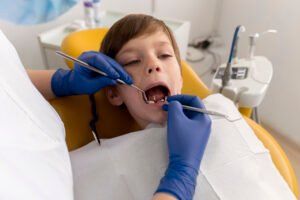
As a dentist, I have seen my fair share of panicked phone calls and emergency visits. There is nothing quite as heart-stopping for a parent as seeing their child fall, followed by the sight of blood and a gap in their smile. Accidents happen. Kids are full of energy, they play sports, they climb trees, and sometimes, they trip over their own feet. It is a natural part of growing up.
However, when dental trauma occurs, the clock starts ticking. The difference between saving a tooth and losing it often comes down to what happens in the first few minutes after the accident. I wrote this guide to empower you. By knowing exactly what to do, you can turn a scary situation into a manageable one. We are going to talk about chips, cuts, and the most frightening scenario of all: a knocked out tooth child situation.
Take a deep breath. You have got this, and I am here to help you navigate through the chaos with a clear head.
Understanding Dental Trauma: It’s More Common Than You Think
First, I want to reassure you that you are not alone. Dental injuries are incredibly common during childhood. Whether it is a toddler learning to walk or a teenager playing varsity basketball, the mouth often takes the brunt of a fall. In fact, research indicates that approximately one-third of children have experienced some form of dental trauma by the time they finish high school.
Trauma does not always mean a tooth falls out. It can range from a minor chip in the enamel to a tooth being pushed up into the gum (intrusion) or loosened. Understanding the anatomy of the tooth helps here. The part you see is the crown, and it is buried in the bone by the root. Around the root are delicate ligaments—think of them as tiny bungee cords—that hold the tooth in place. When trauma happens, we are worried about the tooth, but we are also worried about those ligaments and the nerve inside.
The “Golden Hour”: What to Do for a Knocked-Out Tooth
This is the scenario that causes the most panic. If your child comes to you holding a tooth in their hand, immediate action is vital. We call this an “avulsed” tooth in the dental world. The steps you take immediately regarding a knocked out tooth child incident can save that smile.
Step 1: Determine if it is a Baby or Permanent Tooth
This is the most critical first step. You generally should not re-implant a primary (baby) tooth. Why? Because the permanent tooth is developing right underneath it in the jawbone. If you try to shove a dirty baby tooth back into the socket, you risk damaging the developing adult tooth or causing a serious infection. If you are unsure, look at the tooth. Baby teeth are usually smaller and whiter. However, the safest bet if you are unsure is to put it in liquid (which I will explain in a moment) and come straight to my office.
Step 2: Handle the Tooth Carefully
If it is a permanent adult tooth, find it immediately. Pick it up by the crown (the white chewing part), never by the root. The root is covered in those delicate periodontal ligament cells I mentioned earlier. These cells are essential for the tooth to reattach to the bone. If you touch the root, scrub it, or let it dry out, those cells die, and the chance of saving the tooth drops dramatically.
Step 3: Clean It Gently
If the tooth is dirty—perhaps it fell in the dirt or grass—rinse it briefly with cold water. Do not use soap. Do not use chemicals. Do not scrub it with a towel. Just a gentle stream of water for no more than 10 seconds to remove debris.
Step 4: Re-implantation (The Best Option)
For a permanent tooth, the best place for it to be is back in its socket. If you can, gently guide the tooth back into the hole it came from. Have your child bite down gently on a clean handkerchief or a piece of gauze to hold it in place. I know this sounds squeamish, but it keeps the cells alive better than any other method.
Step 5: Proper Storage
If you cannot get the tooth back in—maybe the child is too upset, or there is too much swelling—you must keep the tooth moist. Do not wrap it in a tissue or put it in a pocket; it will dry out. You have three good options:
- Milk: Cow’s milk is an excellent medium because it has a chemical balance compatible with our body’s cells.
- Saliva: Have the child spit into a cup and put the tooth in it. Alternatively, if the child is old enough not to swallow it, they can hold the tooth in their cheek pouch (buccal vestibule).
- Save-a-Tooth Kit: Some first aid kits come with a balanced salt solution specifically for this purpose.
Do not store the tooth in tap water. Water is hypotonic, meaning it can cause the cells on the root surface to burst.
Time is of the Essence
I cannot stress this enough: time is your enemy here. We look at specific Data Point 1: According to the American Association of Endodontists, a tooth that is re-implanted within 30 minutes has the highest chance of survival. After 60 minutes, the survival rate decreases significantly because the cells on the root begin to die.
Once you have the tooth secured, call my office immediately. Tell the receptionist, “My child has a knocked-out permanent tooth.” We will clear the schedule for you.
Chipped and Broken Teeth
While a knocked-out tooth is dramatic, chips and fractures are actually more common. You might see a child trip and hit their front teeth on a coffee table or collide with another player during soccer.
If a piece of the tooth breaks off, try to find the fragment. Believe it or not, I can sometimes bond that specific piece of tooth back onto the remaining structure. It looks better and is stronger than artificial filling material.
Keep the fragment moist, just like you would a whole tooth. If the break is large, you might see a small red dot in the center of the remaining tooth. That is the pulp (the nerve). This is an urgent situation because the nerve is exposed to air and bacteria, which is painful and can lead to infection. Even if it doesn’t hurt, bring them in. We need to seal that exposure to prevent a root canal later on.
Soft Tissue Injuries: The Blood Factor
The mouth is incredibly vascular. This means it has a lot of blood vessels. Even a tiny tear in the frenulum (that piece of skin connecting your lip to your gums) or a bitten tongue can bleed profusely. It often looks much worse than it actually is. When blood mixes with saliva, it creates a large volume of red liquid that can be terrifying for a parent to see.
Here is my advice for soft tissue injuries:
- Stay Calm: Your child looks to you for cues. If you panic, they panic.
- Clean the Area: Rinse their mouth with cold water.
- Apply Pressure: Use a clean, damp cloth or gauze and apply firm pressure to the bleeding site for 10 to 15 minutes. Do not keep lifting the cloth to check if it has stopped; the pressure needs to be continuous to help the blood clot.
- Cold Compress: A popsicle or an ice pack wrapped in a towel can help reduce swelling and numb the pain.
If the bleeding does not stop after 15 minutes of pressure, or if the cut looks deep enough to require stitches, we need to see them immediately or you may need to visit the ER.
Displaced Teeth: Pushed In, Pulled Out, or Sideways
Sometimes the tooth doesn’t break or fall out; it moves. This is called luxation.
- Extrusion: The tooth looks longer because it has been pulled partly out of the socket.
- Lateral Luxation: The tooth is pushed forward or backward.
- Intrusion: The tooth is pushed up into the gum and looks shorter.
For intrusion, especially with baby teeth, we often wait and let the tooth re-erupt on its own. However, for permanent teeth, or if the displacement interferes with the child’s bite (they can’t close their mouth properly), I need to reposition it and potentially splint it to its neighbors to help it heal in the correct spot.
Preventing Trauma: The Best Medicine
While we can’t prevent every accident, we can significantly reduce the risk of severe damage. As a dentist, I am a huge advocate for mouthguards. If your child plays contact sports—football, hockey, martial arts, or even basketball and soccer—a mouthguard is essential equipment.
Data Point 2: Studies have shown that athletes who do not wear mouthguards are 60 times more likely to sustain damage to their teeth compared to those who do. A simple, custom-fitted guard from my office offers the best protection because it fits perfectly and is comfortable enough that your child will actually wear it.
For younger children, childproofing is key. Padding sharp corners on furniture and using gates near stairs can prevent those nasty falls that result in dental trauma.
The Long-Term Outlook
One thing I always tell parents is that dental trauma often requires long-term monitoring. Just because we fixed the tooth today doesn’t mean we are essentially done. Trauma can damage the nerve in ways that don’t show up for months or even years.
You might notice a tooth turning dark (grey or pink) months after an accident. This indicates the nerve is dying or responding to the injury. Sometimes, the body starts to resorb (eat away) the root of the tooth. This is why I will schedule follow-up X-rays at 1 month, 3 months, 6 months, and a year after a significant injury.
For a deeper dive into saving teeth, I recommend reading this article from the American Association of Endodontists regarding the specialized care required for traumatic dental injuries. It is a fantastic resource for understanding the science behind the treatments I provide.
When to Bypass the Dentist and Go to the ER
While I am your go-to for teeth, there are times when the injury involves more than just the mouth. You should head to the Emergency Room if:
- Your child lost consciousness, even for a second.
- There is disorientation, vomiting, or blurred vision (signs of a concussion).
- You suspect a broken jaw (the child cannot open or close their mouth, or the jaw looks crooked).
- There is severe facial swelling that is impacting breathing.
My Promise to You
Seeing your child in pain is difficult. Dealing with a knocked out tooth child scenario is stressful. But knowing these steps puts you in control. Remember, the mouth heals incredibly fast. The rich blood supply that causes all that scary bleeding also helps tissues repair themselves quicker than almost anywhere else in the body.
If an accident happens, keep the tooth moist, keep your child calm, and call me. We are partners in your child’s health. I am dedicated to doing everything in my power to save that tooth and keep your child smiling confidently for years to come.