Seeing your child in pain or dealing with a sudden injury is every parent’s worst nightmare. As a parent myself, I understand that panic. One moment everything is fine, and the next, there is a fall, a collision during sports, or a sudden complaint of a severe toothache. As Dr. Sepehr Nassiripour, I have dedicated my career to helping families navigate these stressful moments with compassion and expertise.
When you live in or around Beverly Hills, you expect the highest standard of care, especially when time is of the essence. Finding the right emergency child dentist 90210 isn’t just about fixing a tooth; it is about restoring your child’s smile and your peace of mind. In this guide, I want to walk you through exactly what constitutes a dental emergency, immediate steps you can take at home, and why having a pediatric plan in place is vital for your family.
Defining a Children Dental Emergency
The first question I often hear from worried parents on the phone is, “Is this actually an emergency, or can it wait until Monday?” It is a valid question. Not every dental issue requires an immediate midnight run, but many do. In the world of pediatric dentistry, we generally categorize emergencies into two buckets: trauma and infection.
Trauma involves physical accidents—knocked-out teeth, chips, fractures, or cuts to the gums and lips. Infection usually presents as severe toothaches, facial swelling, or abscesses (pimples on the gums). If your child is in severe pain, has uncontrolled bleeding, or has sustained a blow to the face, you need to treat it as an emergency. The anatomy of primary (baby) teeth and young permanent teeth is different from adults, meaning infection can spread faster and trauma can affect future development.
The Golden Hour: Handling a Knocked-Out Tooth
One of the most dramatic and time-sensitive emergencies is an avulsed tooth—a tooth that has been completely knocked out of the socket. This usually happens during sports or rough play. If this happens to a permanent tooth, time is our enemy. We have a very short window, often referred to as the “golden hour,” to successfully reimplant that tooth.
Here is what I recommend you do immediately:
- Find the tooth: Pick it up by the crown (the white chewing part), not the root. Touching the root can damage the delicate cells needed for reattachment.
- Rinse it gently: If it is dirty, rinse it with milk or saline. Do not use water if possible, and definitely do not scrub it.
- Reinsert if possible: Try to place the tooth back into the socket and have your child bite down on a clean cloth or gauze to hold it in place.
- Keep it moist: If you cannot put it back in the mouth, place the tooth in a container of cold milk or perform a dental emergency first aid protocol such as using a tooth preservation kit. Do not store it in tap water.
- Call us immediately: This is the moment to search for an emergency child dentist 90210 and get to the office.
Please note: We generally do not reimplant knocked-out baby teeth because doing so can damage the developing permanent tooth underneath. However, you should still see a dentist immediately to check for other damage.
Chipped and Broken Teeth
While a knocked-out tooth is scary, chipped teeth are much more common. Whether it is a slip by the pool or a fall on the playground, fractures happen. The urgency depends on the severity of the break. If a large piece of the tooth is missing and you can see a small red dot in the center of the remaining tooth, the nerve is exposed. This is painful and requires immediate attention to prevent infection and save the tooth structure.
If the chip is minor and there is no pain, it might not be a “drop everything” emergency, but you should still call my office. Sharp edges can cut the tongue or cheek, so we will want to smooth that out quickly. If you can find the broken fragment, bring it with you. In some cases, I can bond it back onto the tooth for a seamless repair.
The Mystery of the Severe Toothache
Sometimes, there is no accident. Sometimes, a child wakes up in the middle of the night crying in pain. Toothaches in children are often caused by food trapped between teeth or deep decay that has reached the nerve. This pain can be debilitating and frightening for a child.
Before you rush out, try these steps:
- Rinse with warm water: This helps clean out the area and soothe the gum tissue.
- Floss gently: Carefully floss around the hurting tooth to dislodge any trapped food particles. You would be surprised how often a piece of popcorn hull or meat is the culprit.
- Cold Compress: If there is swelling on the face, apply a cold pack to the outside of the cheek.
- Pain Medication: Give children’s acetaminophen or ibuprofen according to the package instructions. Never place aspirin directly on the gums or tooth, as this causes chemical burns.
If the pain persists or if you notice swelling, this indicates an infection. Dental infections do not go away on their own and can spread to other parts of the body. In fact, untreated dental disease is a leading cause of school absenteeism.
Data Point: The Impact of Dental Pain
The impact of dental emergencies goes beyond just the immediate pain. According to the CDC, children miss more than 34 million school hours each year due to unplanned dental care. This highlights why addressing issues early—and having an emergency plan—is so critical for your child’s education and well-being.
Soft Tissue Injuries: Lips, Cheeks, and Tongue
The mouth is highly vascular, which is a fancy way of saying it has a lot of blood vessels. Even a small cut on the lip or tongue can bleed profusely, causing panic for both the child and the parent. If your child bites their tongue or falls and cuts their lip, stay calm.
Clean the area gently with water and apply pressure with a clean piece of gauze or a cold cloth. Bleeding should stop within 15 to 20 minutes. If the bleeding does not stop, or if the cut looks deep enough to require stitches, you need to head to the emergency room or my office immediately. A cold compress can also help reduce swelling and numbing the pain slightly.
Why Choose a Children Specialist for Emergencies?
You might wonder, “Can’t I just take my child to my general dentist?” While many general dentists are fantastic, pediatric dentists like myself have two to three years of additional specialized training beyond dental school. We are trained specifically in the growth and development of children’s teeth, child psychology, and behavior management.
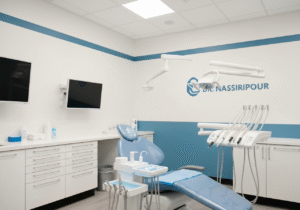
During an emergency, a child is already traumatized and scared. My office in Beverly Hills is designed to be a calming, non-threatening environment. We use specific vocabulary to explain things to children without scaring them (“sleepy juice” instead of “injection,” for example). Furthermore, we are equipped with the right sizes of instruments for small mouths and have sedation options available if the child is too distressed to sit still for the necessary treatment.
When searching for an emergency child dentist 90210, you are looking for someone who can handle the medical procedure while also handling the emotional needs of your child. That balance is the hallmark of pediatric dentistry.
Sedation and Comfort During Trauma
One of the biggest concerns parents have regarding emergency dental work is whether it will hurt or if their child will be traumatized by the procedure itself. This is a valid concern. In my practice, we prioritize comfort. For emergency procedures, we often utilize nitrous oxide (laughing gas) to help the child relax. It is safe, effective, and leaves the system quickly.
For more severe cases or for very young children who cannot understand what is happening, we might discuss deeper sedation options. The goal is always to perform the necessary treatment safely while ensuring the child does not develop a lifelong fear of the dentist.
Preventing the Next Emergency
While I am always here for you 24/7 when things go wrong, I would much rather see your child for a happy check-up than a tearful emergency. Prevention is the best medicine. If your child plays contact sports—soccer, basketball, martial arts, or even gymnastics—a mouthguard is non-negotiable.
Data Point: The Value of Mouthguards
The National Youth Sports Safety Foundation reports that athletes who do not wear mouthguards are 60 times more likely to damage their teeth. Despite this, many children still participate in sports without protection. A custom-fitted mouthguard from your dentist offers significantly better protection and comfort than the “boil and bite” versions found in sporting goods stores.
Beyond sports, basic hygiene prevents the “toothache” emergencies. Regular brushing, flossing, and check-ups every six months allow us to catch decay when it is a tiny spot, rather than waiting until it becomes a painful abscess requiring a root canal or extraction.
The Beverly Hills Standard of Care
Living in the 90210 area means you have access to some of the best medical and dental technologies in the world. My practice embraces this. We utilize digital X-rays, which use significantly less radiation than traditional films and provide instant images. We use intraoral cameras to show you and your child exactly what is happening inside the mouth. This transparency builds trust.
When you are facing an emergency, you don’t want to wait for film to develop or deal with outdated equipment. You want precision, speed, and comfort. That is what I strive to provide every single day.
What to Have in Your Home Dental First Aid Kit
Just as you have band-aids and antiseptic for scraped knees, you should have a small kit ready for dental issues. I recommend keeping a small container with the following items:
- Clean gauze pads (for bleeding)
- A small container with a lid (to transport a tooth)
- Children’s pain reliever (Acetaminophen or Ibuprofen)
- A small bottle of saline solution (for rinsing)
- My office phone number saved in your contacts
- Floss
Having these items gathered in one place can save you precious minutes when panic sets in. Instead of scrambling through cabinets, you can grab the kit and focus on comforting your child.
Your Partner in Dental Health
Dental emergencies are stressful, messy, and frightening, but you do not have to face them alone. As your neighbor and your dentist here in Beverly Hills, I am committed to being there when your family needs me most. Whether it is a Sunday afternoon soccer injury or a Tuesday night toothache, knowing you have a plan makes all the difference.
Remember, prompt action is often the difference between saving and losing a tooth. Keep my number handy, encourage your kids to wear their mouthguards, and try to stay calm. We will get through it together, and we will get your child smiling again in no time. If you are ever in doubt, never hesitate to call. It is always better to be safe and have a professional evaluate the situation than to wait and risk complications. I look forward to helping your family maintain healthy, happy smiles for years to come.