As a dental professional, I find that one of the most rewarding parts of my job is helping parents understand how to keep their children’s smiles bright and healthy for a lifetime. When parents visit my office, they often focus on cavities. While cavities are certainly a concern, there is another silent issue that we need to talk about: enamel erosion. As Dr. Sepehr Nassiripour, I want to walk you through exactly what this condition is, why it happens, and how we can work together to stop it.
Enamel erosion might sound a bit technical, but it is actually quite simple to understand. It is the wearing away of the hard, outer surface of the teeth. Unlike other parts of the body, like our skin or bones, tooth enamel does not contain living cells. This means that once it is gone, the body cannot grow it back. That might sound scary, but the good news is that with the right knowledge and habits, we can protect that precious layer and keep your child’s teeth strong.
Understanding the Shield: What is Enamel?
Think of enamel as a protective helmet for teeth. It is the hardest substance in the human body—even harder than bone! Its job is to guard the sensitive inner layers of the tooth (called dentin and pulp) from the daily grind of chewing, biting, and temperature changes. It also protects teeth from the chemicals and acids found in the foods we eat.
When this shield stays intact, teeth look white and shiny. However, when acids constantly attack the teeth, the minerals that make up the enamel get stripped away. This process is called demineralization. If we catch it early, we can strengthen the enamel. But if the erosion continues, that protective helmet gets thinner and thinner, leaving the tooth vulnerable.
Spotting the Signs: What Parents Should Look For
Because enamel erosion is a gradual process, you might not notice it right away. However, there are visual and sensory clues that you can look for at home between your visits to my office. Being observant is the first step in prevention.
- Discoloration: As enamel thins, the yellowish dentin underneath starts to show through. If your child’s teeth look dull or slightly yellow rather than bright white, it could be a sign of erosion.
- Transparency: Look closely at the biting edges of the front teeth. If they look somewhat see-through or transparent, the enamel is thinning.
- Sensitivity: This is a big one. If your child complains of a sharp pain when eating hot soup, cold ice cream, or sugary sweets, their enamel may no longer be insulating the nerve effectively.
- Rounded Edges: Teeth should have natural contours. If the teeth look unusually smooth, rounded, or sandblasted, erosion might be smoothing away the natural anatomy of the tooth.
- Cupping: On the chewing surfaces of the molars, you might see small dents or cups where the enamel has worn away.
The Culprits: What Causes Erosion?
To prevent erosion, we have to understand where the acid is coming from. In pediatric dentistry, we generally look at two main categories: acids that come from the outside (diet) and acids that come from the inside (body).
Dietary Acids
This is the most common cause I see. Our modern diet is full of acidic beverages and snacks. It isn’t just about sugar; it is about pH levels. Soda, sports drinks, and energy drinks are major offenders. Even fruit juices, which many parents think are healthy, are highly acidic. Citrus fruits like lemons and oranges, while full of vitamins, can be tough on teeth if eaten too frequently.
Here is an important Data Point to consider: According to research published in dental journals, the consumption of soft drinks is a leading cause of dental erosion in children and adolescents. Studies have shown that nearly 30% to 50% of children have some level of erosive wear on their permanent teeth due to dietary acids. This statistic highlights just how common this issue has become in recent years.
Medical Causes
Sometimes, the acid comes from the stomach. Conditions like Acid Reflux (GERD) or frequent vomiting can expose the back of the teeth to powerful stomach acids. If your child suffers from these conditions, their dental health is at higher risk, and we need to take extra precautions.
Tooth Enamel Protection Kids Need: Prevention Strategies
Now that we know the causes, let’s talk about solutions. This is the positive part! There are so many actionable steps you can take to ensure tooth enamel protection kids can rely on. It all comes down to neutralizing acids and strengthening the teeth.
The “Sip All Day” Rule
One of the biggest mistakes I see is allowing children to sip on acidic drinks over a long period. When you drink a juice box quickly, the saliva has a chance to wash away the acid and neutralize the mouth. If a child sips that same juice box for two hours, the teeth are under constant acid attack.
My advice: Limit acidic drinks to mealtime only. The extra saliva production during meals helps protect the teeth. Throughout the day, water is always the best choice. It is pH neutral and helps rinse the mouth.
The Cheese Finish
This is a favorite tip of mine because kids usually love it. Ending a meal with a piece of cheese or a glass of milk can help neutralize acids. Dairy products contain calcium and phosphate, which are the minerals teeth need to remineralize. It essentially helps cancel out the acid from the rest of the meal.
Timing the Brush
This might sound counterintuitive, but you should not brush your child’s teeth immediately after they eat something acidic. When acid is in the mouth, the enamel is temporarily softened. If you brush right then, you can actually scrub away the softened enamel. I recommend waiting about 30 to 60 minutes after eating acidic foods before brushing. This gives the saliva time to harden the enamel back up.
Saliva: Nature’s Defense
Saliva is the unsung hero of oral health. It contains calcium and other minerals that repair the teeth on a microscopic level. Encourage your child to drink plenty of water to stay hydrated, which ensures they produce enough saliva. For older children, chewing sugar-free gum with Xylitol can stimulate saliva flow and reduce acid levels.
Treatment and Restoration: We Can Fix This
If you have noticed signs of erosion in your child’s mouth, do not panic. As a dentist, I have a variety of tools and treatments to help stop the damage and restore the tooth. The approach we take depends on how severe the erosion is.
Fluoride Therapy
Fluoride is fantastic for strengthening enamel. It works by binding to the tooth structure and making it more resistant to acid. For early signs of erosion, I often apply a professional-grade fluoride varnish in the office. This is a quick, painless process that provides a high dose of protection.
Here is another compelling Data Point: The Centers for Disease Control and Prevention (CDC) notes that fluoride varnish can prevent about 33% (one-third) of decay and structural damage in the primary (baby) teeth. This proves that professional preventative treatments are highly effective in maintaining the integrity of the tooth surface.
Dental Bonding
If the erosion has caused the teeth to look chipped, uneven, or yellow, we can use dental bonding. This involves applying a tooth-colored resin to the surface of the tooth. It covers the sensitive, exposed dentin and restores the shape of the tooth. It acts as a new cosmetic shield over the natural tooth.
Sealants
While sealants are typically used to prevent cavities in the deep grooves of molars, they can also protect the chewing surfaces from acid pooling. It is a thin, plastic coating painted on the chewing surfaces of the back teeth—a fast and easy way to provide an extra barrier.
Restorative Crowns
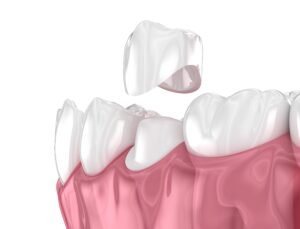
In cases where the enamel has significantly worn away and the tooth structure is compromised, we might need to place a crown. This covers the entire tooth, protecting it from further damage and restoring its function so your child can chew comfortably.
The Role of Regular Dental Visits
I cannot stress enough how important regular checkups are. Because erosion happens slowly, parents often miss the early warning signs. In my office, we use bright lights and magnification to look at the surface texture of the enamel. We can spot demineralization long before it turns into a cavity or significant erosion.
During these visits, we also review diet and hygiene. It is a partnership. When I know what your child’s habits are, I can give you tailored advice that fits your lifestyle. For more information on maintaining a healthy mouth, I often recommend parents visit reliable sources like the American Dental Association’s MouthHealthy website, which offers excellent resources on erosion and diet.
Building Healthy Habits for the Future
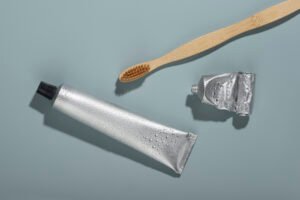
Creating a routine that prioritizes tooth enamel protection kids will benefit from is easier than you think. It starts with small changes. Swap the soda for water. Add a slice of cheese to the lunchbox. Ensure they are brushing twice a day with fluoride toothpaste.
I also want to touch on the psychological aspect. We want children to feel good about their smiles. Erosion can sometimes lead to aesthetic changes that make kids self-conscious. By addressing this early, we aren’t just protecting their health; we are protecting their confidence.
If your child swims frequently in chlorinated pools, be aware that improperly balanced pool water can also cause erosion. It is rare, but for competitive swimmers, it is something to watch out for. Encouraging them to rinse their mouth with regular water after swimming is a simple fix.
Moving Forward with a Healthy Smile
Enamel erosion is a modern problem, but it has modern solutions. By understanding the balance between acidity and protection, you are already halfway there. Remember, enamel is tough, but it needs our help to stay that way.
As Dr. Sepehr Nassiripour, I encourage you to look at your child’s dental care as a long-term investment. The habits they form now—drinking water, waiting to brush, and visiting the dentist—will dictate the health of their smile for decades to come. We have the knowledge and the tools to prevent erosion from damaging those beautiful smiles. Let’s make dental health a positive, proactive part of your family’s life.