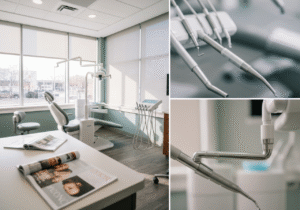
As a dental professional serving the families of Beverly Hills, I often see parents who want nothing but the absolute best for their children. Whether it is getting them into the best schools or ensuring they have the healthiest organic diet, parents here are deeply invested in their kids’ futures. However, one question comes up constantly during consultations: how often kids dentist visit schedules should actually be.
It is a valid question. We all live busy lives, and fitting another appointment into a packed calendar can feel overwhelming. But when it comes to your child’s oral health, consistency is the key to a lifetime of confident smiles. In my experience, the frequency of these visits plays a massive role not just in preventing cavities, but in shaping how your child views their own health and hygiene.
I want to break down exactly when your child should be seeing me, why those specific timelines exist, and what we are actually looking for during those critical milestones.
The General Rule: The Six-Month Standard
For the vast majority of children, the American Academy of Children Dentistry (AAPD) and the American Dental Association recommend a checkup and cleaning every six months. This isn’t a random number chosen by dentists; it is based on the rate at which plaque builds up and how quickly small issues can turn into big problems in a developing mouth.
In my practice, I find that six months is the perfect “sweet spot.” It allows me to monitor changes in your child’s jaw growth and tooth eruption without letting too much time pass. If a cavity starts to form, six months is usually short enough that we can catch it while it is still small. If we wait a year, a tiny spot of decay can turn into a toothache that requires a much more complex treatment.
Why Regularity Matters for Kids Specifically
You might wonder why kids need to stick to this schedule so strictly compared to some adults. The answer lies in the biology of baby teeth (primary teeth). The enamel on baby teeth is much thinner than the enamel on permanent adult teeth. This means that acids from sugar and bacteria can burn through that protective layer much faster.
When I see a child every six months, I am effectively racing against that bacteria. Regular professional cleanings remove the hardened tartar that a toothbrush simply cannot handle. No matter how well you help your child brush at home, there are always nooks and crannies that get missed. Those professional cleanings are the reset button their mouth needs twice a year.
When to Start: The “Age One” Visit
Many parents are surprised when I tell them their child’s first visit should happen by their first birthday, or within six months of their first tooth appearing. It sounds early, doesn’t it? A one-year-old barely has teeth!
However, this visit is less about “cleaning” and more about education and prevention. We call this establishing a “Dental Home.” When you bring your baby in at age one, I can check for early signs of baby bottle tooth decay and check the gums and soft tissues. More importantly, I spend this time talking to you. We discuss diet, bottle habits, thumb sucking, and how to brush those tiny teeth properly.
Data Point: According to the Centers for Disease Control and Prevention (CDC), about 20% of children aged 5 to 11 years have at least one untreated decayed tooth. Starting visits at age one is the single best way to ensure your child doesn’t become part of that statistic.
Exceptions: When Kids Need More Frequent Visits
While how often kids dentist visit is usually answered with “every six months,” there are scenarios where I might ask to see your child every three or four months. This isn’t about being overprotective; it is about personalized care. In Beverly Hills, we focus on customized health plans, and dentistry is no different.
I may recommend more frequent visits if your child fits into a higher risk category:
- High Cavity Risk: Some children are naturally more prone to cavities due to genetics, crowding of teeth, or weaker enamel. If I see rapid decay, we need to monitor it closely.
- Orthodontic Treatment: If your child is undergoing early orthodontic intervention or has braces, hygiene becomes much harder. Brackets trap food easily. Seeing me more often ensures that their straight teeth stay healthy teeth.
- Poor Oral Hygiene Habits: Let’s be honest, some kids just hate brushing. If your child is struggling to keep their teeth clean at home, I act as a coach. More frequent visits allow us to reinforce good habits and remove plaque before it causes gum disease.
The Hidden Benefit: Beating Dental Anxiety
One of the most positive aspects of sticking to a six-month schedule is psychological. As a dentist, I want your child to like me! I want them to feel safe in my chair. If a child only visits the dentist when they are in pain or when there is an emergency, they begin to associate the dental office with fear and discomfort.
By bringing them in regularly for routine, pain-free cleanings, we “desensitize” them to the environment. They get used to the sights, the sounds, and the feeling of having their teeth counted. Over time, coming to my office becomes just another normal part of their life, like getting a haircut or going to soccer practice. This builds a foundation of trust that lasts into adulthood.
I have seen teenagers who started with me as toddlers walk in with total confidence. They know the routine, and they take pride in their smile. That confidence is invaluable, especially here in Beverly Hills where self-presentation is so important.
What Actually Happens During These Visits?
To give you a better idea of why these appointments are necessary, let me walk you through what I am doing during a standard checkup. It is much more than just a quick look.
1. The Comprehensive Examination
I look at the whole picture. I am checking the soft tissues (tongue, cheeks, throat) for any signs of infection or unusual growth. I examine the bite to see how the jaws are coming together. Identifying a crossbite or overbite early can save years of complex orthodontics later on.
2. Professional Cleaning (Prophylaxis)
Our hygienists are trained to be gentle yet thorough. We remove plaque and calculus (tartar). We also polish the teeth to remove surface stains, which helps keep that smile bright for school photos and social events.
3. X-Rays (Radiographs)
We typically take X-rays once a year, though this depends on the child’s risk level. X-rays allow me to see what is happening between the teeth and under the gum line. This is the only way to catch hidden decay or check if permanent teeth are developing correctly in the jawbone.
4. Fluoride Treatments and Sealants
Fluoride is a mineral that acts like a shield for teeth. A professional fluoride application makes the enamel more resistant to acid. Furthermore, I often recommend sealants for molars. This is a thin protective coating painted on the chewing surfaces of the back teeth to prevent food from getting stuck in the deep grooves.
The Teenage Years: A Critical Transition
As children transition into their teenage years, the question of how often kids dentist visit remains the same, but the focus shifts. Adolescence brings a new set of challenges for oral health.
Teens have more autonomy over their diet, which often means more soda, sports drinks, and sugary snacks. They are also busier with school and extracurriculars, meaning oral hygiene might get neglected. Hormonal changes during puberty can also increase blood flow to the gums, making them more sensitive and prone to gingivitis.
Furthermore, the teenage years are when wisdom teeth (third molars) typically begin to develop. Monitoring the position of these teeth is crucial to prevent impaction or crowding. By seeing your teen every six months, I can track the development of wisdom teeth and recommend extraction at the ideal time if necessary, preventing pain and infection down the road.
Data Point: Research indicates that dental issues are a leading cause of school absenteeism. A study published in the American Journal of Public Health noted that children with poor oral health were nearly 3 times more likely to miss school as a result of dental pain compared to their counterparts. Regular visits keep your child in the classroom and learning.
The Role of Technology in Our Beverly Hills Practice
In my practice, I utilize modern technology to make these frequent visits as efficient and comfortable as possible. We use digital X-rays, which emit significantly less radiation than traditional films, ensuring your child’s safety. We also use intraoral cameras.
An intraoral camera is a wand-like device that takes high-definition pictures of your child’s teeth. I can put these images up on a screen so both you and your child can see exactly what I am seeing. It is an amazing educational tool. When a child sees a picture of “sugar bugs” (plaque) on their own tooth, they are much more motivated to brush better at home.
Home Care: The Partner to Professional Visits
While I love seeing my patients, the reality is that I only see them a few hours a year. The rest of the time, their oral health is in their hands—and yours. The six-month visit is the perfect time for me to recalibrate your home care routine.
If I notice gum inflammation, I might recommend a specific type of floss or an electric toothbrush. If I see enamel erosion, we might discuss acidic foods to avoid. I view my relationship with parents as a partnership. You are doing the heavy lifting at home, and I am here to provide the expert support and deep cleaning that keeps everything on track.
For detailed guidelines on what to expect at different stages of your child’s dental development, I highly recommend reading resources from the American Dental Association’s MouthHealthy site. They offer excellent advice that aligns with the protocols we follow here in Beverly Hills.
Investing in a Lifetime of Health
Living in Beverly Hills, we are surrounded by a culture that values health, beauty, and excellence. Your child’s smile is one of their greatest assets. It is the first thing people notice, and it plays a huge role in their self-esteem.
By adhering to a regular schedule—typically every six months—you are doing more than just cleaning teeth. You are preventing pain, saving money on future expensive treatments, and teaching your child that their health is a priority. You are giving them the gift of a smile that they can be proud of for the rest of their lives.
If it has been more than six months since your child sat in a dental chair, or if you have a little one approaching their first birthday, I encourage you to reach out. Let’s get that appointment on the calendar. My team and I are ready to ensure your child’s smile is as bright and healthy as their future.