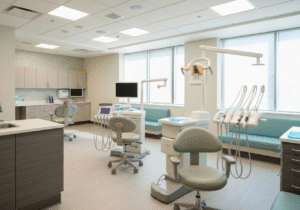
As a dentist, I often see parents who are more nervous than their children when they walk into my office for the first time. I completely understand that feeling. You want everything to go perfectly, and you want your little one to have a healthy relationship with oral healthcare. I am Dr. Sepehr Nassiripour, and I have dedicated my career to helping families navigate these important milestones. Today, I want to share my professional insights on how to prepare your child for their first dental appointment so that it becomes a positive, happy memory rather than a source of stress.
Building a foundation of trust is essential. When we approach dental care with positivity and preparation, we set our children up for a lifetime of healthy smiles. This guide will walk you through everything you need to know about child first dental visit preparation, from the weeks leading up to the appointment to the moment you step out of the office door.
When Should the First Visit Happen?
Before we dive into the preparation, let’s address the most common question I hear: “When should I bring my baby in?” The American Academy of Children Dentistry (AAPD) recommends that a child should see a dentist when their first tooth appears, or no later than their first birthday. We often call this the “dental home.” Establishing a dental home early allows us to monitor growth and development and catch any potential issues before they become problems.
It might seem early, especially if your child only has one or two teeth. However, early preventive care saves time, money, and tears later on. It also helps your child get used to the sights, sounds, and smells of a dental office before they are old enough to develop complex fears.
The Psychology of Preparation: Why It Matters
Children are incredibly perceptive. They look to their parents to understand how to react to new situations. If you feel anxious about the dentist, your child will likely pick up on that energy. Proper child first dental visit preparation is actually two-fold: it is about preparing your child, but it is also about preparing yourself.
According to the Centers for Disease Control and Prevention (CDC), tooth decay is the most common chronic disease of childhood. The American Academy of Children Dentistry notes that establishing a dental home early significantly reduces the risk of this decay. By preparing for this visit, you aren’t just checking a box; you are actively fighting against the most common health issue children face.
Step-by-Step Guide to Preparing Your Child
Preparation doesn’t happen overnight. It is a process that should begin days or even weeks before the actual appointment. Here is the strategy I recommend to the families in my practice.
1. Speak Positively About the Dentist
The language you use is powerful. Avoid using the dentist as a threat (e.g., “If you don’t brush, the dentist will have to pull your teeth!”). Instead, frame the visit as a fun adventure. Tell your child that the dentist is a friendly doctor who helps keep their teeth strong and shiny so they can chew their favorite foods.
There are certain “trigger words” you should avoid. I recommend not using words like:
- Needle
- Shot
- Pain
- Hurt
- Drill
Even saying, “It won’t hurt,” puts the idea of pain into a child’s mind. Instead, use positive, kid-friendly terms. In my office, we “count teeth,” “tickle the teeth” with a brush, and use “sleepy juice” if absolutely necessary (though rarely for a first check-up).
2. Role-Play at Home
Children learn best through play. You can simulate a dental visit right in your living room. Grab a stuffed animal or a doll and act out the scene. Let your child be the dentist first. They can count the doll’s teeth and brush them. Then, swap roles.
Have your child lie back on the couch or in a recliner. Use a flashlight to look into their mouth and count their teeth out loud. This mimics the sensation of the dental chair and the overhead light. If they are comfortable with you looking in their mouth, they will be much more comfortable when I do it.
3. Read Books and Watch Videos
Visual aids are fantastic for child first dental visit preparation. There are many children’s books featuring popular characters visiting the dentist. Seeing their favorite character sit in the dental chair creates a sense of normalcy and safety. It helps them understand what to expect visually, which reduces the fear of the unknown.
4. Schedule Wisely
As a parent, you know your child’s rhythm better than anyone. Try to schedule the appointment for a time when your child is typically well-rested and in a good mood. For many toddlers, mornings are best. They are fresh after a night’s sleep and haven’t had a chance to get cranky or tired from the day’s activities.
Avoid scheduling appointments during nap times or late in the afternoon when the “witching hour” approaches. A tired child is much less cooperative and more likely to be overwhelmed by new experiences.
What Happens During the First Visit?
Knowing what will happen can help you explain it to your child. For a first visit, especially for children under two, the exam is usually quick and gentle. We focus on getting the child comfortable.
The Knee-to-Knee Exam
For babies and toddlers, we often use the “knee-to-knee” technique. This allows you to hold your child the entire time, providing them with comfort and security.
- You sit on a chair facing me, knee-to-knee.
- Your child sits on your lap, facing you.
- You lay them back so their head rests gently on a cushion on my lap while their body remains on yours.
- You hold their hands while I look inside their mouth.
This position allows me to see clearly while the child maintains eye contact with you. It is the least traumatic way to examine a young child.
The Cleaning and Exam
If your child is comfortable, we might gently clean their teeth with a soft brush or a polishing cup. We check for decay, look at the gums, and assess their bite. I also take this time to discuss proper brushing techniques, flossing, and diet with you. We will talk about bottle usage, thumb sucking, and pacifier habits.
Managing Anxiety: Yours and Theirs
It is perfectly normal for a child to cry during their first visit. I want to reassure you that this does not mean the visit is a failure. Crying is a natural coping mechanism for children in new environments. As a professional, I am trained to work with crying children and can often still perform a thorough exam.
Recent data indicates that dental anxiety affects approximately 10% to 20% of the population, often stemming from negative childhood experiences. By keeping your own emotions in check and remaining calm, you act as an anchor for your child. If you are calm, they realize there is no danger. If you panic when they cry, it validates their fear.
Stay close, hold their hand, and offer verbal reassurance. A simple “You are doing a great job” goes a long way.
Common Mistakes to Avoid
In my years of practice, I have seen many well-meaning parents accidentally increase their child’s anxiety. Here are a few pitfalls to avoid regarding child first dental visit preparation:
Avoid Bribery
Promising a huge toy or a sugary treat if they “don’t cry” sets up the wrong dynamic. It implies that the task ahead is so terrible that it requires a big reward to get through. Instead, plan a small, fun activity for after the visit, like going to the park. Frame it as, “After we are done, we get to go to the park!” rather than “If you are good, we go to the park.”
Don’t Over-Explain
While preparation is key, providing too much detail can be overwhelming. Children have active imaginations. If you start explaining specific dental tools, they might imagine scary instruments. Keep it simple: “The dentist is going to count your teeth and brush them.”
Don’t Share Your Horror Stories
Many adults have had unpleasant dental experiences. It is vital that you do not mention these in front of your child. Even joking about “hating the dentist” can plant a seed of fear. Save those conversations for other adults.
The Role of Nutrition in Preparation
Preparing for a dental visit isn’t just about the psychological aspect; it is also about the physical. Before the appointment, ensure your child has had a light meal. A hungry child is a “hangry” child, and they will have less patience for the exam. However, avoid a heavy meal immediately before, just in case they have a sensitive gag reflex.
Use the time leading up to the appointment to discuss “happy teeth foods” versus “sad teeth foods.” This makes the conversation I will have with them about diet feel like a reinforcement of what they already know, rather than a lecture.
Building a Partnership with Your Dentist
I view the relationship between a dentist, the parent, and the child as a partnership. We all have the same goal: a healthy, happy child. When you book the appointment, let the staff know it is your child’s first visit. My team is trained to take extra time, explain things slowly, and ensure the environment is welcoming.
If your child has special needs or specific sensory sensitivities, please tell us beforehand. We can alter the lighting, the music, or the pace of the exam to accommodate them. Personalized care is the best care.
Checklist for the Big Day
To ensure you don’t forget anything in the rush of getting out the door, here is a quick checklist for the day of the appointment:
- Paperwork: Fill out forms online beforehand if possible to reduce waiting room time.
- Comfort Item: Bring a favorite toy or blanket to provide security.
- Extra Clothes: Accidents happen, especially with nervous toddlers.
- List of Questions: Write down any concerns you have about thumb sucking, fluoride, or teething.
- Positive Attitude: Take a deep breath and put on a smile.
Fostering a Lifetime of Healthy Smiles
The first dental visit is a rite of passage. It marks the beginning of your child taking ownership of their body and their health. By focusing on child first dental visit preparation, you are doing more than just getting their teeth cleaned; you are teaching them that healthcare is a normal, positive part of life.
I encourage you to look at this appointment not as a chore, but as an opportunity to celebrate your child’s growth. With the right preparation, a calm demeanor, and a supportive dental team, your child’s first visit can be a success. Remember, we are on your team. We want to see your child smile just as much as you do.