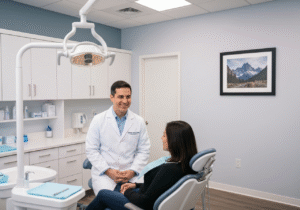
Hello, I am Dr. Sepehr Nassiripour. As a dental professional dedicated to the oral health of children, I understand that visiting the dentist can sometimes feel overwhelming for both kids and their parents. We want every visit to be a positive step toward a lifetime of healthy smiles. One of the most effective, safe, and gentle tools I use to bridge the gap between anxiety and a successful appointment is nitrous oxide, commonly known as laughing gas.
I wrote this guide to demystify the process for you. If you have ever wondered if sedation is right for your child, or if you simply want to be prepared for an upcoming appointment, you are in the right place. We are going to explore everything from safety profiles to what your child will actually feel, ensuring you feel confident in the care provided by your pediatric dentist.
Understanding Dental Anxiety in Children
First, I want to normalize what you might be feeling. It is completely natural for a child to feel nervous about the unknown. Whether it is the strange sounds of the equipment, the bright lights, or simply the invasion of personal space, the dental office can be a lot to process for a young mind.
Data Point: Research indicates that dental anxiety is a significant issue worldwide. Studies suggest that approximately 10% to 20% of children experience dental fear and anxiety high enough to potentially interfere with treatment. This is exactly why we utilize sedation techniques—to ensure these fears do not prevent necessary healthcare.
When a child is anxious, their body enters a “fight or flight” mode. This can make it difficult for them to sit still, keep their mouth open, or follow instructions. This is where nitrous oxide becomes an invaluable ally in my practice. It does not just help with the procedure; it helps build a positive association with the dentist.
What Exactly is Nitrous Oxide?
Nitrous oxide is a colorless, slightly sweet-smelling gas. In a dental setting, we never use it pure; it is always mixed with oxygen. When your child inhales this mixture, it acts as a mild sedative. We refer to this medically as “conscious sedation” or “relative analgesia.”
The term laughing gas can be a bit misleading. While some children might get the giggles, the primary goal is not to make them laugh, but to make them relax. It slows down the body’s reaction time and results in a calm, euphoric feeling. Unlike general anesthesia, your child remains fully awake. They can hear me, speak to me, and respond to requests like “open wider” or “turn your head.”
How the Process Works: A Step-by-Step Guide
In my experience, knowing exactly what will happen helps parents feel much more at ease. Here is a walkthrough of a typical appointment involving nitrous oxide.
1. The Introduction
I always start by showing the equipment to the child in a friendly, non-threatening way. We often call the nasal hood a “space mask,” a “pilot’s mask,” or a “clown nose.” This framing turns the medical equipment into a toy or a game.
2. The “Funny Nose”
The gas is administered through a small mask that fits comfortably over the child’s nose. Many modern masks come in fun scents like strawberry, bubblegum, or grape. I will ask your child to pick a scent, which gives them a sense of control over the situation.
3. The Breathing
I encourage the child to breathe in through their nose. Within a few minutes—usually 2 to 3 minutes—the relaxation effect begins. We start with pure oxygen and gradually introduce the nitrous oxide.
4. The Treatment
Once the child is relaxed, we proceed with the dental treatment. During this time, the child often watches a movie or listens to music. The gas also has mild pain-relieving properties, which makes the injection of local anesthetic (if needed) much more comfortable.
5. The Recovery
Once the procedure is finished, I turn off the nitrous oxide and let the child breathe 100% pure oxygen for about 5 minutes. This flushes the gas out of their system completely. By the time they stand up from the chair, the effects are gone.
Is Nitrous Oxide Safe for My Child?
This is the number one question I receive from parents, and rightfully so. Your child’s safety is my top priority. The short answer is: yes, it is considered the safest sedative in dentistry.
The American Academy of Children Dentistry (AAPD) recognizes nitrous oxide/oxygen inhalation as a safe and effective technique to reduce anxiety and enhance effective communication. You can read more about their guidelines and safety protocols on their official website here: AAPD Guidelines on Nitrous Oxide.
Here is why the safety profile is so high:
- It is titratable: This means I can adjust the level of sedation moment-by-moment. If a child needs a little more to relax, we can increase it. If they are too sleepy, we can decrease it instantly.
- No lingering effects: Unlike oral sedation (syrups or pills) which can leave a child groggy for hours, nitrous oxide leaves the body almost immediately after we switch back to pure oxygen.
- It preserves reflexes: Your child keeps all natural reflexes, including coughing and breathing on their own. There is no suppression of the respiratory system when used correctly.
Data Point: Serious adverse reactions to nitrous oxide are incredibly rare. Statistics indicate that nausea is the most common side effect, occurring in only about 0.5% to 1.2% of patients when proper titration techniques are used. This low percentage underscores just how well-tolerated this method is.
What Will My Child Feel?
Since I cannot feel what your child feels, I rely on what children tell me. Describing the sensation to your child beforehand can help them not be surprised. Most children report the following sensations:
- Tingling: A vibration or “tickle” in their fingers, toes, or lips.
- Floating: A feeling of lightness, like they are floating in a pool or on a cloud.
- Heaviness: Conversely, some kids feel like their arms and legs are very heavy and relaxed, sinking into the chair.
- Warmth: A gentle wave of body warmth.
- Time distortion: The appointment may feel much shorter than it actually is. A 30-minute filling might feel like it only took 5 minutes.
If your child says they feel “spinny” or dizzy, that is a sign for me to turn the gas down slightly. I constantly communicate with my patients to ensure they are in the “happy zone,” not the “dizzy zone.”
Who is a Good Candidate for Laughing Gas?
While laughing gas is versatile, it is not a magic wand for every single situation. As an experienced pediatric dentist, I evaluate every child individually. Generally, nitrous oxide is excellent for:
- Children with mild to moderate anxiety.
- Patients with a strong gag reflex (the gas helps suppress gagging significantly).
- Children who have trouble sitting still for long periods.
- Procedures that are not extensive but might be uncomfortable.
- Children with special healthcare needs who require help remaining calm.
When is it NOT recommended?
There are specific scenarios where I might suggest alternative methods:
- Nasal Obstruction: Since the gas is inhaled through the nose, it won’t work if the child has a bad cold, enlarged tonsils that block the airway, or severe allergies preventing nasal breathing.
- Age and Maturity: The child must be willing to wear the mask. Very young toddlers who cannot understand instructions or tolerate the mask on their face may not benefit.
- Severe Anxiety or Phobia: If a child is terrified or combative, nitrous oxide may not be strong enough. In these cases, we might discuss IV sedation or general anesthesia.
- Certain Medical Conditions: History of chronic obstructive pulmonary disease (COPD), recent ear surgery, or specific genetic conditions may be contraindications. Always update your dentist on your child’s full medical history.
Preparing for the Appointment
Success with sedation often begins at home. Here is how you can help prepare your child for their visit to my office.
The Food Rule
Even though nitrous oxide is mild, having a full stomach can increase the risk of nausea or vomiting. I recommend a light meal about two hours before the appointment. Avoid heavy, greasy, or dairy-rich foods immediately beforehand. A piece of toast or some fruit is usually perfect. If the appointment is early in the morning, a very light breakfast is acceptable. If your child is fasting, they might get grumpy, which makes anxiety worse, so do not skip food entirely unless specifically instructed for a different type of sedation.
Clothing
Dress your child in loose, comfortable clothing. If they have a favorite small toy or blanket, bring it along! Having a comfort object in their hands can be very soothing while the gas does its work.
Talking About It
Be positive. Avoid using words that trigger fear like “needle,” “pain,” or “drill.” Instead, tell them that the doctor will use some “silly air” or “sleeping air” to help them feel relaxed and floaty. If you are anxious yourself, try not to project that onto your child. They are very perceptive and look to you for cues on how to react.
After the Appointment: Post-Op Care
One of the biggest advantages of nitrous oxide is the recovery. Because the gas is flushed out of the system with oxygen at the end of the procedure, your child is usually back to their normal self before they even leave the treatment room.
Can they go back to school?
Yes, in most cases. Unless the dental procedure itself was extensive (like an extraction that requires rest), the sedation aspect does not require them to miss the rest of the school day.
Eating and Drinking
Your child can eat and drink immediately after the appointment. However, if their mouth is numb from local anesthesia, you must watch them closely to ensure they do not bite their cheek, lip, or tongue. I usually suggest a soft diet (smoothies, yogurt, mashed potatoes) until the numbness wears off completely.
Monitoring
While side effects are rare, keep an eye out for nausea. If your child feels a bit queasy, have them rest with their head propped up and sip water slowly. This usually passes very quickly.
Dispelling Common Myths
In my practice, I hear several misconceptions that can make parents hesitate. Let’s clear those up right now.
Myth: It puts the child to sleep.
Fact: It does not. Your child remains conscious. They might look sleepy or have heavy eyelids, and they may not remember much of the procedure (amnesia is a common, helpful side effect), but they are not unconscious.
Myth: It is addictive.
Fact: There is zero risk of your child becoming addicted to nitrous oxide from dental visits. It is administered in a controlled, clinical environment.
Myth: It lingers in the body.
Fact: As mentioned earlier, nitrous oxide is not metabolized by the liver or kidneys. It is eliminated through the lungs unchanged. Once the mask is off and oxygen is administered, it is gone.
Why Positive Experiences Matter
As a pediatric dentist, my goal isn’t just to fix a cavity; it is to shape a future adult who isn’t afraid of the dentist. Trauma at a young age can lead to dental avoidance in adulthood, which causes severe health issues down the line. By using laughing gas, we take the “edge” off. We transform a potentially scary situation into a manageable, and sometimes even fun, experience.
When a child leaves my office high-fiving the staff and proud of themselves for “doing a great job,” that confidence spills over into their home hygiene routine. They become partners in their own health.
Final Thoughts on Sedation Dentistry
Making decisions about your child’s health care can be stressful, but understanding the tools we use can alleviate that burden. Nitrous oxide is a time-tested, safe, and effective way to help children receive the dental care they need without the emotional scars of a difficult appointment.
If your child is anxious, has a sensitive gag reflex, or needs a fair amount of dental work, please ask about nitrous oxide. It might just be the key to a tear-free visit. I am here to answer any questions you have and to ensure that your child’s smile remains bright, healthy, and happy.
Every child is unique, and every appointment is an opportunity to build trust. I look forward to partnering with you in caring for your child’s dental health.