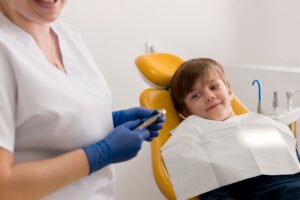
As a dental professional, I have seen many parents walk into my office carrying a heavy weight on their shoulders. They aren’t just worried about cavities; they are worried about how their child will react to the environment. For parents of children on the autism spectrum, a simple trip to the dentist can feel like climbing a mountain. I understand that anxiety. I want you to know that with the right preparation and a supportive dental team, this mountain is climbable. In fact, it can be a positive milestone for your family.
The dental office is a place of high sensory input. There are bright lights, loud noises, strange smells, and people invading personal space. For a neurodivergent child, this can be overwhelming. However, my goal is to shift the narrative from fear to empowerment. By breaking down the process and using specific autism dental visit tips, we can set the stage for a lifetime of healthy smiles. Here is a comprehensive guide on how we can work together to prepare your child for that all-important first visit.
Understanding the Sensory Challenges
Before we dive into the preparation strategies, it is helpful to look at the experience through your child’s eyes. The dental chair is not just a chair; it moves, it leans back, and it changes their center of gravity. The light isn’t just a lamp; it is a focused beam that might feel intrusive. The sounds of suction and cleaning tools can be high-pitched and unpredictable.
Data Point: Research indicates that between 69% and 95% of children with autism spectrum disorder demonstrate some form of sensory processing difficulty. This means that reactions to the dentist are not “bad behavior”—they are genuine neurological responses to an intense environment.
Recognizing this helps us approach the appointment with compassion rather than frustration. When I see a child covering their ears or refusing to open their mouth, I don’t see a difficult patient. I see a child who is protecting themselves. My job, and our job together, is to make them feel safe enough to lower those defenses.
Start at Home: The Power of Familiarity
Preparation begins long before you step foot in the clinic. The home is your child’s safe zone, so it is the perfect place to introduce dental concepts without the pressure of a real appointment. You want to make dental care a part of their routine world.
Establish a Dental Routine Early
Consistency is key. If brushing is a battle, the dentist will likely be a war. Work on desensitizing oral care at home. This might mean starting with a washcloth before moving to a brush, or using unflavored toothpaste if mint is too spicy. The goal is to get your child used to the sensation of someone else touching their teeth and gums.
Use Visual Aids and Social Stories
Most children on the spectrum are visual learners. telling them what will happen is often less effective than showing them. Social stories are incredibly powerful tools. These are short descriptions of a particular situation, event, or activity, which include specific information about what to expect and why.
You can create a custom story with pictures of our office, or use generic ones available online. The story should follow a sequence: walking in the door, sitting in the chair, opening the mouth, counting teeth, and getting a prize. Read this story regularly in the weeks leading up to the visit.
Role-Play the Visit
Turn your living room into a dental office. Have your child lie back on the sofa with their head in your lap. Use a flashlight to mimic the overhead light (carefully). Count their teeth out loud. Let them hold a mirror. Then, switch roles! Let them be the dentist and count your teeth. This play-acting removes the mystery and gives them a sense of control over the situation.
Choosing the Right Dental Home
Not all dental offices are created equal, especially when it comes to special needs dentistry. Finding the right provider is perhaps the most critical step in this journey. You need a team that is patient, flexible, and willing to adapt their techniques.
When you are looking for a dentist, call ahead and ask specific questions:
- Do you have experience treating children with autism?
- Are you willing to do a “happy visit” or a tour before the actual exam?
- Can we schedule a longer appointment time so we don’t feel rushed?
- Are parents allowed to stay in the room and hold the child’s hand?
I always encourage parents to be open about their child’s triggers. If loud noises are a problem, we can avoid using the electric polisher during the first visit. If they hate reclining, we can do the exam while they sit upright. Customizing the care plan is essential.
The “Happy Visit” Strategy
I highly recommend scheduling a “Happy Visit” or a “Meet and Greet” before the actual cleaning. This is an appointment where no work is done. It is purely for exposure.
During this visit, your child can:
- Meet the front desk staff and see friendly faces.
- Walk through the hallway and see the layout.
- Sit in the dental chair for just a few seconds.
- Look at the instruments without them being used.
- Ride the chair up and down (if they enjoy movement).
If the child becomes overwhelmed, we stop immediately. We end on a high note, give them a sticker or a toy, and they leave with a positive memory. This builds trust. They learn that coming to see me doesn’t always mean something uncomfortable is going to happen.
Preparing for the Big Day
When the day of the actual appointment arrives, having a game plan will reduce stress for both you and your child. Here are some logistical autism dental visit tips to make the day run smoother.
Timing is Everything
Schedule the appointment for the time of day when your child is typically at their best. For many children, this is the morning. They are well-rested, and they haven’t used up all their coping energy at school. Avoid nap times or meal times. Also, try not to schedule the dentist on a day that is already full of other changes or stressful events.
Pack a Comfort Kit
Bring items that help your child self-regulate. If they have a favorite weighted blanket, bring it. The weight can provide a sense of security in the chair. Noise-canceling headphones are fantastic for blocking out the buzz of the office. Sunglasses can help with the bright lights. Having a favorite tablet or fidget toy can also serve as a great distraction.
Data Point: According to the Centers for Disease Control and Prevention (CDC), dental care is one of the most common unmet health care needs for children with special developmental needs. By utilizing comfort kits and preparation strategies, we can bridge this gap and ensure your child gets the care they deserve.
Communication Techniques During the Exam
As we begin the exam, communication is vital. I use a technique called “Tell-Show-Do.” This is the gold standard in pediatric dentistry, but it is especially effective for children with autism.
Tell: I explain exactly what I am going to do in simple, non-threatening language. For example, “I am going to count your teeth with my special mirror.”
Show: I show the child the object. I might let them touch it or demonstrate it on their finger or a stuffed animal. “See? It’s just a little mirror. It tickles your finger.”
Do: Only after they understand and seem ready do I actually perform the action. “Okay, now we are going to count. Open big!”
I also believe in voice control. I keep my voice calm, steady, and monotonous. Sudden spikes in volume or excitement can be startling. I give positive reinforcement constantly. “You are doing a great job keeping your hands on your tummy,” or “I love how wide you are opening.”
Navigating Sensory Overload in the Chair
Even with the best preparation, sensory overload can happen. If your child starts to get agitated, we take a break. I never want to force a child unless it is an absolute emergency. Forced dentistry creates trauma, and trauma makes future visits impossible.
We can use distractions like movies on the ceiling TV or listening to music. Some parents find it helpful to lay in the chair with their child on top of them (knee-to-knee positioning). This allows the parent to comfort the child while I look into the mouth from behind the parent’s head. This physical closeness to the parent often provides the grounding the child needs to get through the exam.
Advanced Options for High Anxiety
Sometimes, despite all our best efforts, a child simply cannot tolerate the dental environment while awake. If a child has severe dental needs and cannot cooperate due to intense anxiety or sensory issues, we might discuss sedation options.
This ranges from nitrous oxide (laughing gas) to help them relax, to general anesthesia in a hospital setting for extensive work. This is never the first resort, but it is a valid and safe option to ensure your child’s oral health doesn’t deteriorate because of their behavioral challenges. We can discuss these options together to decide what is safest and best for your child.
For more detailed resources on managing health situations for children with ASD, I often recommend parents look at the toolkits provided by high-authority organizations. You can find excellent visual aids and guides at Autism Speaks, which offers a specialized Dental Tool Kit for families.
After the Visit: Positive Reinforcement
The appointment isn’t over when you walk out the door. The car ride home is a crucial time for processing. Even if the visit was difficult, focus on the successes. Did they sit in the chair for one minute? That is a win. Did they open their mouth for five seconds? That is a win.
Reward your child immediately. This doesn’t have to be a sugary treat (which we dentists might frown upon!). It could be a trip to the park, extra screen time, or a small toy. This helps the brain associate the dental visit with a positive outcome. Over time, this positive reinforcement builds a new neural pathway that connects “dentist” with “reward.”
A Partnership for Health
I view my relationship with your family as a partnership. You are the expert on your child; I am the expert on their teeth. When we combine your knowledge of their needs with my clinical skills, we create an environment where they can thrive.
It is important to remember that progress might be slow. The first visit might just be walking into the waiting room and leaving. The second visit might be sitting in the chair. That is okay. We move at your child’s pace. We are building a relationship for the long haul.
Oral health is a vital part of overall health. Poor dental hygiene can lead to pain, infection, and difficulty eating, which can exacerbate behavioral issues. By investing time in preparing your autistic child for their dental visit, you are investing in their overall well-being and quality of life.
I am here to support you every step of the way. If you have specific concerns or need to customize a visit plan, please reach out to my office. Let’s make that first dental visit a success story we can all be proud of.