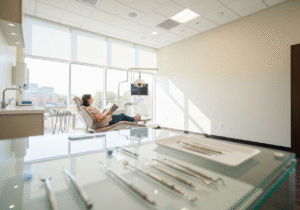
As a dedicated dental professional, I know that walking into a dental office can be an overwhelming experience for a child. It is even more stressful for you as a parent when you see your little one scared or anxious. My goal is always to create a positive environment where children can get the care they need without developing a lifelong fear of the dentist. One of the most effective tools I have to achieve this is dental sedation.
I often hear parents express concern when the topic of sedation comes up. It is completely normal to have questions. You want to know if it is necessary, how it works, and most importantly, if it is safe. In this guide, I want to walk you through everything you need to know about child dental sedation safety and the options available to help your child have a comfortable, tear-free visit.
Understanding Why We Use Sedation
Sedation isn’t just about putting a child to sleep; it is about creating a safe bridge between anxiety and treatment. When a child is terrified, they may move unexpectedly, clench their jaw, or refuse to open their mouth. This reaction can make it dangerous for me to use dental instruments. Sedation helps relax the child, ensuring that I can perform high-quality work efficiently while your child remains calm.
There are different levels of anxiety and different types of dental procedures. Therefore, there is no “one size fits all” approach. I carefully evaluate every patient’s medical history, anxiety level, and dental needs before recommending a specific method. My priority is to use the least invasive option necessary to ensure a safe and successful appointment.
The Reality of Dental Anxiety
If your child is nervous, they are not alone. Dental anxiety is a very real phenomenon that affects millions of people, including children. Data shows that approximately 20% of school-aged children are afraid of visiting the dentist. This fear can stem from the unknown, the loud noises of the tools, or a previous bad experience. By using safe sedation techniques, I can help reset their perception of the dentist, turning a scary situation into a manageable, and even positive, memory.
Option 1: Nitrous Oxide (Laughing Gas)
The most common and mildest form of sedation I use is nitrous oxide, often affectionately called “laughing gas.” This is a fantastic option for children who are cooperative but feel a bit jittery or nervous.
Nitrous oxide is a blend of two gases—oxygen and nitrous oxide. It is delivered through a small, comfortable mask that sits over your child’s nose. I usually ask them to pick a scent for the mask, like bubblegum or strawberry, which makes the experience fun right from the start. As they breathe normally, they will begin to feel more relaxed within minutes.
What Does It Feel Like?
Most children describe the feeling as “floating” or “tingly.” They might feel heavy in their arms and legs, and their mood usually improves instantly—hence the name “laughing gas.” It is important to know that your child remains fully awake. They can hear me, talk to me, and follow instructions like “open wide.”
The biggest safety benefit of nitrous oxide is that it leaves the system incredibly fast. Once the treatment is done, I switch the mask to 100% oxygen for a few minutes. by the time your child stands up from the chair, the effects are completely gone. They can go back to school or play immediately afterward.
Option 2: Oral Conscious Sedation
For children who are younger, have a harder time sitting still, or have a higher level of anxiety, nitrous oxide might not be enough. In these cases, I may recommend oral conscious sedation. This involves giving your child a liquid medication to drink shortly after they arrive at the office.
How It Works
This medication creates a deeper state of relaxation than laughing gas. Your child will likely become drowsy and may even drift into a light sleep, but they are not unconscious. They can still respond to physical touch or loud voices.
One of the great advantages of oral sedation is that the medication often has an amnesic effect. This means that even though your child is awake for the procedure, they likely won’t remember the sights, sounds, or smells of the treatment afterward. For a child with anxiety, forgetting the “scary” parts is a huge win for their future confidence.
Safety Protocols for Oral Sedation
When it comes to child dental sedation safety, monitoring is key. When I use oral sedation, my team and I keep a close watch on your child’s vital signs. We monitor their heart rate, oxygen levels, and breathing continuously throughout the procedure. We follow strict guidelines to ensure that your child is safe from the moment they swallow the medicine until they are ready to go home.
Option 3: Intravenous (IV) Sedation
Sometimes, a child has extensive dental needs, such as multiple cavities requiring crowns, or they have special healthcare needs that make sitting in a chair impossible. In these scenarios, IV sedation (often referred to as deep sedation) may be the best path forward.
With IV sedation, medication is delivered directly into the bloodstream through a small tube (IV line). This allows the medication to work instantly. Under this type of sedation, your child will sleep soundly through the entire appointment. They will not feel any pain and will have no memory of the procedure.
The Role of the Anesthesiologist
Safety is paramount here. When IV sedation is required, I often work alongside a specialized dental anesthesiologist. Their sole job is to monitor your child’s breathing, heart rate, and anesthesia levels while I focus entirely on fixing their teeth. This division of labor ensures that your child has two experts caring for them simultaneously.
According to safety data from the American Academy of Children Dentistry (AAPD), when guidelines are strictly followed by trained professionals, the incidence of adverse events during pediatric dental sedation is extremely low. This highlights the importance of choosing a provider who follows all safety protocols rigoroursly.
For more detailed information on how specialists ensure safety, you can read this resource from the American Academy of Children Dentistry (AAPD).
Option 4: General Anesthesia
General anesthesia is similar to what is used for surgeries like removing tonsils or fixing a broken bone. This is usually performed in a hospital setting or a specially equipped surgical center. Under general anesthesia, the child is completely unconscious.
I typically reserve this option for very young children with severe early childhood caries (cavities), children with specific medical conditions, or those who require a large amount of dental work that would otherwise take multiple traumatic visits to complete. While it sounds intense, doing everything in one visit while the child is asleep is often the safest and kindest way to restore their oral health.
Ensuring Safety: My Top Priority
I want to reiterate that child dental sedation safety is the foundation of my practice. We do not take shortcuts. Here are the pillars of safety that I adhere to:
- Pre-Sedation Health Evaluation: Before we schedule anything, I review your child’s complete medical history. I need to know about allergies, medications, and past surgeries.
- Training and Certification: My team and I undergo regular training to manage sedation emergencies. We are certified in Children Advanced Life Support (PALS).
- Advanced Monitoring Equipment: During sedation, we use hospital-grade monitors. We watch the pulse oximetry (oxygen in the blood), heart rhythm, and blood pressure.
- The “Two-Person” Rule: There is never a time when your child is left alone. During sedation, there is always a dedicated staff member monitoring the child in addition to the dentist performing the work.
Preparing for the Big Day
Your role as a parent is vital to the success and safety of the sedation appointment. I will provide you with specific instructions, but here is a general guide on how to prepare.
Fasting (NPO) Guidelines
This is the most critical safety rule. For oral sedation, IV sedation, or general anesthesia, your child must have an empty stomach. If a child vomits while sedated, they can inhale the fluid into their lungs, which is dangerous.
I will give you a specific timeline, usually requiring no food for 6 to 8 hours before the appointment and clear liquids only up to 2 hours before. Please follow this strictly. If your child eats breakfast on the day of a sedation appointment, we will have to reschedule for their safety.
Clothing and Comfort
Dress your child in loose, comfortable clothing. Think oversized t-shirts and sweatpants. We want them to be cozy. If they have a favorite small blanket or a stuffed animal (that doesn’t have metal parts), bring it along! It provides a sense of security while they are falling asleep and waking up.
Positive Reinforcement
Children feed off their parents’ energy. If you are anxious, they will be too. Try to act as if this is a normal, easy day. Avoid using words like “shot,” “hurt,” or “drill.” Instead, tell them the dentist is going to use “sleepy juice” to help their teeth feel better while they take a nap.
Recovery: What to Expect at Home
Once the procedure is done, your child’s safety is still the priority as the medication wears off. Every child metabolizes medication differently, so recovery times vary.
The Ride Home
Ideally, two adults should bring the child to the appointment—one to drive and one to sit next to the child to monitor them. Your child might feel groggy, nauseous, or emotional. Some children cry or feel confused as they wake up; this is a normal reaction to the medication leaving the body.
Activity Level
For the rest of the day, your child should rest. No sports, no running around, and no playground visits. Balance can be affected for several hours, and we don’t want them to fall. Set them up on the couch with their favorite movies.
Diet and Hydration
Start with clear liquids like water or apple juice to ensure they are hydrated. If they can keep that down without vomiting, you can move to soft foods like yogurt, mashed potatoes, or lukewarm soup. Avoid heavy, greasy, or spicy foods for the first day. Also, because their mouth might be numb from local anesthesia, watch them closely to ensure they don’t chew on their lip or cheek.
Common Myths About Dental Sedation
I often encounter myths that make parents hesitate. Let’s clear a few of them up.
Myth: Sedation is only for “bad” kids.
Fact: Absolutely not. Sedation is for scared children, young children, or children with extensive needs. It is a compassionate tool to help them cope, not a punishment for behavior.
Myth: My child will be unconscious for oral sedation.
Fact: With oral sedation, your child is usually awake and responsive, just very relaxed. Only IV sedation and general anesthesia render the child fully unconscious.
Myth: It is safer to just hold the child down.
Fact: Restraining a terrified child (often called “protective stabilization”) can cause intense psychological trauma and increase the risk of physical injury if they thrash. Sedation is often the safer and more humane choice.
Trust Your Instincts and Ask Questions
I encourage you to ask me anything. If something doesn’t feel right or if you don’t understand a part of the procedure, speak up. I am here to partner with you in your child’s health. Before any sedation appointment, we will have a consultation where we discuss the benefits, the risks, and the alternatives.
We will review your child’s airway, their tonsil size, and their overall health. This thorough vetting process helps me select the method that maximizes child dental sedation safety.
Building a Foundation for a Healthy Smile
Ultimately, my goal is to fix your child’s teeth and get them back to smiling, eating, and playing pain-free. Sedation allows us to do complex work in a high-quality manner without traumatizing your child.
By choosing the right sedation option, we can ensure that your child doesn’t grow up dreading the dentist. Instead, they will learn that dental visits are manageable. I am honored that you trust me with your child’s care, and I promise to treat them with the same safety and gentleness I would want for my own family. If your child needs dental work and you are worried about how they will sit for it, please reach out. Let’s discuss how we can make their next visit a safe and comfortable success.