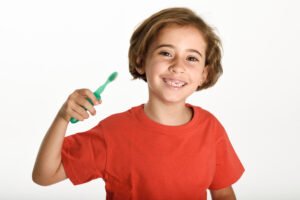
Welcome to my practice and my guide on pediatric oral health. As Dr. Sepehr Nassiripour, I have had the privilege of helping countless families here in our beautiful community build the foundation for a lifetime of healthy smiles. When parents walk into my office, they often have the same question: “When do I actually need to start worrying about my child’s teeth?” The answer might surprise you. It starts long before that first little tooth creates a bump in the gum line.
Living in this area, we are accustomed to high standards in every aspect of life, from education to nutrition. Dental health should be no different. This article is your comprehensive roadmap for baby teeth care beverly hills style—meaning we are aiming for excellence, comfort, and the best possible long-term results. I am going to walk you through everything you need to know, from wiping gums to that all-important first dental visit.
Why Baby Teeth Matter More Than You Think
I hear a common myth quite often. Some parents believe that because baby teeth eventually fall out, they do not require serious attention. I want to gently correct that notion right now. Primary teeth, or baby teeth, are the architects of your child’s future smile. They serve several critical functions that go beyond just looking cute in family photos.
First, these tiny teeth act as placeholders. They hold the space open for the permanent teeth growing under the surface. If a baby tooth is lost too early due to decay, the surrounding teeth can drift into that empty space. This blocks the permanent tooth from coming in correctly, which often leads to complex orthodontic issues later in life. By taking care of them now, you are potentially saving yourself from years of braces and aligners down the road.
Second, healthy teeth are essential for nutrition and speech development. Your child needs strong teeth to chew food properly, which aids in digestion and nutrient absorption. Furthermore, teeth play a massive role in how we form sounds. The “th,” “f,” and “s” sounds rely heavily on the presence of front teeth. Protecting these teeth is protecting your child’s ability to communicate clearly.
Data Point: According to the Centers for Disease Control and Prevention (CDC), cavities remain the most common chronic disease of childhood. In fact, more than 40% of children have dental caries by the time they reach kindergarten. This is a preventable statistic, and together, we can ensure your child falls into the healthy majority.
The Timeline: From Birth to the First Tooth
Many parents in Beverly Hills are proactive, and I love that. You do not have to wait for a tooth to appear to start an oral hygiene routine. In fact, starting early helps desensitize your baby to having your hands near their mouth, making brushing much easier later on.
0 to 6 Months: The Gum Phase
Even before teeth erupt, bacteria can live in the mouth. I recommend using a soft, damp washcloth or a piece of sterile gauze to gently wipe your baby’s gums after feedings. This removes sticky coating and sugars from milk or formula. It is a simple step that takes ten seconds, but it sets the stage for a healthy environment.
6 to 12 Months: The First Eruption
This is an exciting milestone. Usually, the lower front teeth appear first. Once that first tooth breaks through, it is time to switch from a cloth to a toothbrush. You should look for a brush with an ultra-small head and soft bristles designed specifically for infants.
At this stage, use a tiny smear of fluoride toothpaste—about the size of a grain of rice. That is all they need. Gently brush the tooth and the surrounding gum area twice a day. This is also the ideal time to schedule your first visit with me. The American Academy of Children Dentistry recommends establishing a “dental home” by age one.
Mastering the Brushing Routine
As your child grows into a toddler, baby teeth care beverly hills parents need to know changes slightly. By age three, you can increase the amount of fluoride toothpaste to the size of a pea. However, the challenge at this age is often cooperation. Toddlers are discovering their independence, and brushing can sometimes become a battle of wills.
Here are a few strategies I share with parents to keep the mood positive:
- Let them “help”: Allow your child to hold the brush and try it themselves first. However, you must always follow up. Children do not have the manual dexterity to clean their teeth effectively until they are old enough to tie their own shoelaces (usually around age 7 or 8).
- Sing a song: Brushing should last for two minutes. Pick a favorite song and brush until it ends. This distracts them and ensures you are brushing for the correct duration.
- Model the behavior: Children mimic what they see. Let them watch you brush and floss your own teeth. Show them that it is a normal part of your self-care routine.
Flossing is another component we cannot ignore. As soon as your child has two teeth that touch, you need to start flossing between them. Cavities love to hide in those tight spaces where toothbrush bristles cannot reach. I recommend using floss sticks or holders, which are much easier to maneuver in a small mouth than traditional string floss.
Nutrition: The Beverly Hills Approach to Strong Teeth
We live in a community that values health and wellness, but hidden sugars are everywhere. Diet plays a massive role in the health of baby teeth. Every time your child eats sugary or starchy foods, the bacteria in their mouth feast on it and produce acid. This acid attacks the tooth enamel for about 20 minutes after eating.
I advise parents to be mindful of “grazing.” If a child carries a sippy cup of juice or milk around all day, their teeth are under constant acid attack. This is the leading cause of “Baby Bottle Tooth Decay,” a severe form of cavities that affects the upper front teeth.
Smart Snacking Choices
Instead of gummy snacks, dried fruit (which is very sticky), or crackers that stick to teeth, try these tooth-friendly options:
- Cheese and Yogurt: Dairy products contain calcium and casein, a protein that helps strengthen tooth enamel.
- Crunchy Vegetables: Carrots and celery have a high water content and help mechanically clean the teeth while eating.
- Water: It is the best beverage for your child’s teeth. Fluoridated water helps rebuild the mineral structure of the teeth.
I also want to mention that even natural sugars found in organic juices can be damaging if consumed frequently. Limit juice to meal times rather than sipping it throughout the day.
Navigating Teething Pains
Teething can be a stressful time for both the baby and the parents. Between 6 and 24 months, your child will have new teeth pushing through the gums regularly. This can cause irritability, drooling, and restless sleep.
To provide relief, I recommend using a solid rubber teething ring that has been chilled in the refrigerator. The cold helps numb the gums and reduce inflammation. Please avoid liquid-filled rings, as they can break or leak. Gentle massage with a clean finger on the sore gum area can also work wonders.
I must strictly warn against using over-the-counter numbing gels containing benzocaine for children under two. The FDA has issued warnings about these products due to potential side effects. Stick to natural cooling methods or consult me if the discomfort seems unmanageable.
The First Dental Visit: What to Expect
Creating a positive association with the dentist is vital. When you bring your child to see me for baby teeth care beverly hills based services, my goal is to make the experience fun and non-threatening. I call this the “Happy Visit.”
We start by introducing the child to the chair—which we might call a “spaceship” or a “magic chair.” We count their teeth, look for any potential issues with bite or jaw development, and check for early signs of decay. We also apply a fluoride varnish if necessary to strengthen the enamel.
Data Point: Dental issues are a leading cause of school absenteeism. A report by the Office of the Surgeon General noted that more than 51 million school hours are lost each year to dental-related illness. By starting visits early, we catch problems while they are small, manageable, and painless, ensuring your child stays in school and learning.
For more detailed information on when to schedule visits and what to look for, I highly recommend reading this resource from the American Dental Association’s MouthHealthy site. It is an excellent high-authority source that aligns with the practices I use in my clinic.
Addressing Oral Habits: Thumbs and Pacifiers
Sucking is a natural reflex for infants and provides a sense of security. However, prolonged thumb sucking or pacifier use can reshape the jaw and misalign the teeth. Generally, if these habits stop by age two or three, the bite will often correct itself. If the habit continues past age four, we may need to intervene.
I prefer positive reinforcement to break these habits. Praise your child when they are not sucking their thumb. If they use a pacifier, never dip it in sugar or honey. Gradually reducing the time they are allowed to have the pacifier can help wean them off it gently.
Trauma and Emergencies
As your little one learns to walk and run, accidents happen. A fall can result in a chipped or knocked-out tooth. If a baby tooth is knocked out completely, do not try to put it back in. Re-implanting a primary tooth can damage the permanent tooth developing underneath. instead, apply pressure to stop any bleeding and call my office immediately.
If a tooth is chipped or fractured, try to find the broken piece and bring it with you. We want to smooth out any rough edges to prevent injury to the tongue or lips. Having a plan in place and knowing who to call can significantly reduce the panic during these moments.
Fluoride: Nature’s Cavity Fighter
There is often debate about fluoride, but from a scientific and medical perspective, it is one of the best tools we have. Fluoride strengthens the enamel, making it more resistant to acid attacks. In Beverly Hills, we look at the individual risk assessment for each child. If your child is at high risk for cavities, fluoride varnish treatments in the office are highly effective.
However, too much fluoride can lead to fluorosis, which appears as faint white lines on the teeth. This is why I emphasized the rice-grain size of toothpaste earlier. It provides the benefit without the risk of swallowing too much. It is all about balance and professional guidance.
Sealants: An Extra Layer of Protection
Once your child’s molars come in (usually around age 6 for the first permanent molars, but primary molars are important too), we might discuss dental sealants. Sealants are a thin, protective coating painted on the chewing surfaces of the back teeth.
These teeth have deep grooves and pits where food gets stuck easily. A toothbrush bristle is often too large to reach into these microscopic crevices. Sealants act as a barrier, “sealing out” food and plaque. The application is quick, painless, and does not require any drilling. It is one of the most proactive steps we can take to prevent cavities in the most vulnerable areas of the mouth.
Final Thoughts on Your Child’s Smile
Raising a child in Beverly Hills means you want the absolute best for them, and their oral health is a major part of their overall well-being and confidence. By prioritizing baby teeth care beverly hills residents can ensure their children grow up with strong, healthy smiles that last a lifetime.
Remember, you are the most important role model in your child’s life. When you prioritize your dental health and make oral hygiene a fun, non-negotiable part of the daily routine, your child will follow suit. It is not just about avoiding cavities; it is about instilling habits of self-care that they will carry into adulthood.
I am here to support you on this journey. Whether it is answering a question about a loose tooth, helping with teething pain, or celebrating a cavity-free checkup, my team and I are dedicated to your child’s health. Let’s work together to keep those little smiles bright.