As a parent, you want the absolute best for your child. From the finest schools to the healthiest foods, every decision feels significant. In my practice, one of the most common questions I hear from anxious but excited new parents is simple: “When should I schedule an appointment for my baby?”
There is a lot of conflicting advice out there. Some family members might tell you to wait until age three, while others say sooner. As Dr. Sepehr Nassiripour, I am here to clear up the confusion and guide you through the gold standard of dental care. Establishing a “dental home” early is one of the best gifts you can give your child’s future smile.
The Golden Rule: First Birthday or First Tooth
The short answer is straightforward. You should bring your child in by their first birthday or within six months of the eruption of their first tooth, whichever comes first. This recommendation isn’t just my personal preference; it is supported by the American Academy of Children Dentistry (AAPD) and the American Dental Association.
I know it might seem early. Your baby might only have one or two tiny teeth showing. However, finding your first pediatric dentist beverly hills at this stage is crucial for prevention. We aren’t just looking for cavities; we are checking for proper jaw development, gum health, and potential issues that are easier to fix when caught young.
Think of this first visit as a “well-baby checkup” for the mouth. Just as you visit the pediatrician to ensure your child is growing correctly, you visit me to ensure their oral health is on the right track.
Why Start So Early?
Many parents believe that because baby teeth (primary teeth) eventually fall out, they don’t require the same level of care as permanent teeth. This is a dangerous myth. Primary teeth serve critical functions:
- Chewing and Nutrition: Healthy teeth allow your child to eat a balanced diet.
- Speech Development: Teeth play a major role in forming sounds and words.
- Space Holders: Baby teeth save space for the permanent teeth growing under the gums. If a baby tooth is lost too early due to decay, it can lead to severe crowding and orthodontic issues later.
Furthermore, early visits help build a relationship of trust. If a child only visits the dentist when they are in pain, they associate the dental office with trauma. When you bring them in while everything is healthy, we create a positive, fun association with oral hygiene.
Data Point: The Reality of Childhood Caries
It is important to look at the numbers to understand why we stress early intervention. According to the Centers for Disease Control and Prevention (CDC), about 20% of children aged 5 to 11 years have at least one untreated decayed tooth. By starting visits at age one, we can drastically lower the chances of your child becoming part of this statistic. Prevention is always more comfortable and affordable than treatment.
Finding Your First Children Dentist in Beverly Hills
Living in Beverly Hills means you have access to world-class healthcare. However, it also means you have many options, which can be overwhelming. When looking for the right provider, you need someone who specializes specifically in children.
Children dentists are the pediatricians of dentistry. After completing general dental school, we undergo two to three additional years of rigorous specialty training. This training focuses on child psychology, growth and development, and treating children with special needs.
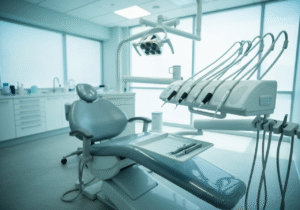
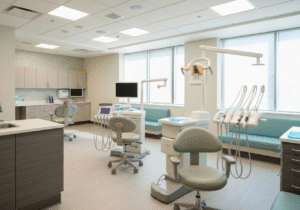
In my office, we understand that the environment matters. A sterile, cold clinical setting can be scary for a toddler. We strive to create an atmosphere that is warm, welcoming, and tailored to reduce anxiety. When you search for the first pediatric dentist beverly hills, you are looking for a partner in your child’s health, not just a doctor who fixes teeth.
What to Expect During the First Visit
If you are nervous about how your one-year-old will sit still in a dental chair, don’t worry. We don’t expect them to! The first visit is designed to be quick and gentle. We often use a technique called the “Knee-to-Knee” exam.
Here is how it works:
- You sit on the dental chair, and I sit opposite you.
- Your child sits on your lap, facing you.
- You gently lay your child back so their head rests on my lap while their body remains secure in your arms.
This position allows your child to see you the entire time, keeping them calm and secure. It gives me a clear view of their mouth to check for decay, gum issues, and oral development.
During this appointment, we also focus heavily on education. I will talk to you about:
- Teething: How to soothe your baby comfortably.
- Habits: Discussing thumb sucking or pacifier use.
- Diet: How sugary drinks and sleeping with a bottle affect teeth.
- Hygiene: Showing you the proper way to brush and floss young teeth.
Addressing Dental Anxiety Early
One of my main goals as a pediatric dentist is to ensure your child grows up without a fear of the dentist. Dental anxiety is a very real issue for many adults, and it almost always stems from negative childhood experiences.
By introducing your child to the sights, sounds, and friendly faces of our office before any invasive work is needed, we normalize the experience. We use “Tell-Show-Do” techniques. I tell the child what I am going to do, show them the tool (often giving it a fun name), and then do the action gently. This transparency builds massive trust.
Data Point: The Impact of Early Exposure
Research supports the idea of early exposure reducing fear. Studies in the realm of pediatric health indicate that children who have non-invasive, positive medical or dental encounters before the age of three exhibit significantly lower levels of anxiety during future appointments compared to those whose first visit involves a procedure like a filling. This early investment pays off for decades.
Home Care: It Starts with You
While visiting me is essential, the care you provide at home is what protects your child’s smile every day. You don’t have to wait for the first appointment to start good habits.
Even before teeth erupt, you can gently wipe your baby’s gums with a clean, damp washcloth after feedings. This removes bacteria and gets them used to having their mouth cleaned. Once that first tooth pops through, switch to a soft-bristled infant toothbrush and a tiny smear of fluoride toothpaste (about the size of a grain of rice).
For more detailed information on stages of dental development, you can read excellent resources from the American Dental Association’s MouthHealthy site.
Teething and Comfort
Teething can be a trying time for both the child and the parents. Between 6 and 24 months, your child will be gaining many new teeth. You might notice drooling, irritability, and a desire to chew on everything.
When you come in for your visit, I can check to see how the teeth are erupting. If your child is in pain, I usually recommend using a solid rubber teething ring that has been chilled (but not frozen). The cold helps numb the gums safely. Avoid over-the-counter numbing gels that contain benzocaine for children under two, as these can have adverse side effects.
The Beverly Hills Standard of Care
In Beverly Hills, we set the bar high. Parents here expect the latest technology and the most compassionate care. My practice incorporates modern diagnostic tools that are safe for children, such as low-radiation digital X-rays—though we only use them when absolutely necessary.
We also focus on aesthetic protection. If your child does develop a cavity, we have materials that mimic the natural appearance of the tooth. However, our primary goal is always to avoid drillings and fillings through proactive “sealants” and fluoride treatments that strengthen the enamel against acid attacks.
Common Myths We Debunk
There are several misconceptions I like to address during that first visit to help parents feel more confident.
Myth: “My child doesn’t eat candy, so they won’t get cavities.”
While candy is a culprit, it isn’t the only one. Carbohydrates like crackers, chips, and even healthy fruit juices break down into simple sugars that bacteria love. It isn’t just about what they eat, but how often they eat. Grazing throughout the day keeps the acidity in the mouth high, which erodes enamel.
Myth: “We can wait until school starts.”
By the time a child enters kindergarten, the window for early prevention has closed. Many dental habits, such as thumb-sucking or tongue-thrusting, need to be addressed in the toddler years to prevent complex orthodontic problems later.
Myth: “If the tooth doesn’t hurt, it’s fine.”
cavities in the early stages are painless. By the time a child complains of a toothache, the decay has likely reached the nerve. This usually requires more complex treatment. Regular exams allow me to spot these issues while they are still tiny “white spots” that can often be reversed with minerals.
Setting the Stage for a Lifetime of Smiles
I view my role not just as a doctor, but as a coach for your family. The journey to a perfect smile is a marathon, not a sprint. It begins with that very first step through our doors.
When you prioritize that initial visit around the first birthday, you are telling your child that their health matters. You are establishing a routine that will serve them well into adulthood. There is nothing quite as rewarding for me as seeing a patient grow from a toddler with their first tooth into a confident teenager with a flawless, healthy smile.
If your little one is approaching their first birthday or has recently sprouted that first adorable tooth, it is time to make a plan. Do not wait for an emergency to find your dental home. By choosing the right specialist now, you ensure that every visit is a positive step toward a bright future.
I look forward to welcoming you and your child to our office. Let’s work together to keep those tiny smiles healthy, happy, and sparkling.